The food industry is evolving toward a more sustainable, healthier and tech‑driven model. In this transition, microalgae stand out as one of the most promising ingredients for the food of the future. Their nutritional richness, versatility and efficient production make them key to the challenges ahead.
Here are six realistic scenarios where microalgae will shape the foods we consume by 2030.
1. Hyper‑stable natural colors replacing artificial additives
Microalgae will deliver:
2030 vision: Clean label without compromising visual impact.
2. Sustainable alternative proteins with low environmental impact
Microalgal proteins could become one of the most efficient sources per square meter.
Key applications:
2030 vision: Efficient, local and complete proteins.
3. Functional foods powered by natural bioactives
Consumers want more than nutrition—they want function.
Microalgae provide:
2030 vision: Preventive and personalized nutrition.
4. Next‑generation gut health ingredients
Microalgae support the microbiome and immunity:
2030 vision: Gut‑centric wellness.
5. Climate‑resilient food production systems
Microalgae can grow where conventional crops cannot.
By 2030 it will be common to see:
2030 vision: Decentralized food security.
6. “Invisible” ingredients improving formulations
Microalgae will enhance many foods without consumers even noticing.
Functions include:
2030 vision: Natural reformulation at scale.
Conclusion
Microalgae will be one of the engines powering the food system of the future. At Neoalgae, we are already working on these scenarios to help companies accelerate their transition.
By David Alonso

La mejor actitud que podemos adoptar es la de trat...

El equipo de investigadores observó cambios en el...
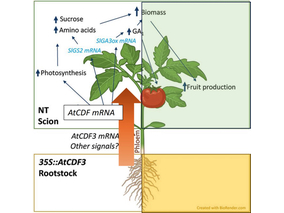
El gen AtCDF3 promueve una mayor producción de az...
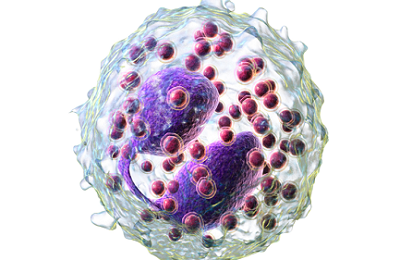
En nuestro post hablamos sobre este interesante tipo de célula del si...
Una revisión internacional, publicada en la revista Molecular Cancer,...