|
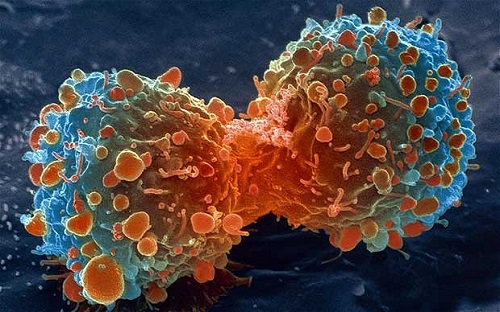
A team from the Catalan Institute of Oncology and Bellvitge Biomedical Research Institute (ICO-IDIBELL) has developed a new animal models that reproduce faithfully the evolution and malignancy of different human tumors. This facilitates parallel tumor progression in patients suffering from the disease in an animal laboratory mice in this case; and predict possible relapses and anticipate what will be most effective treatments. Ortotopic models The technique relies on the use of orthotopic mice models (orthoxenograft®), by implanting human tumors in the appropriate body of the mouse. For example, when a biopsy is made to the patient or the tumor is extracted, can be implanted at the same organ in the mouse. Thus, the animal model reproduces histological, genetic and epigenetic the human tumor characteristics and patterns of spread, which is not achieved with other methods of implementation. Meanwhile, you can apply the same treatment to the patient in the mouse, and monitor progress, opening the door to assess the risk of relapse and the most effective treatment with fewer side effects in each case, getting a personalized therapy, as each patient would have a corresponding animal model. The ICO-IDIBELL team, in collaboration with the CNIO in Madrid, and the Boston Childrens Hospital has successfully obtained models in colon, lung and ovarian cancer. |

La mejor actitud que podemos adoptar es la de trat...
The research team observed changes in head circumf...

AtCDF3 gene induced greater production of sugars a...
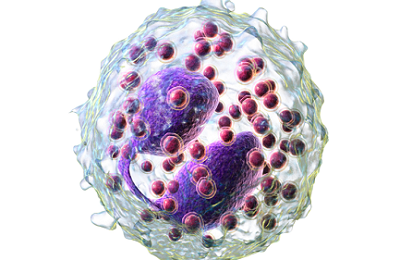
En nuestro post hablamos sobre este interesante tipo de célula del...

Telum Therapeutics, a biotechnology company leveraging proprietary met...