
Patients with advanced head and neck cancer face a very complex clinical situation when the disease stops responding to conventional treatments: therapeutic options become very limited. This reality, detected in routine clinical practice, is the starting point for new lines of research promoted by the Catalan Institute of Oncology and IDIBELL within the framework of the Comprehensive Cancer Center, where care and research work in an integrated way to respond to different medical needs.
In this context, a team of professionals from the field of Oncology, Virology and Immunotherapy from the Catalan Institute of Oncology (ICO), the Bellvitge Biomedical Research Institute (IDIBELL) and the Vall d'Hebron University Hospital with the collaboration of the biotechnology company Theriva™ Biologics, has published in the prestigious journal Clinical Cancer Research the results of a Phase I clinical trial that explores a new therapeutic strategy for squamous cell carcinoma of the head and recurrent or metastatic cervix, a disease with limited treatment options when it stops responding to conventional therapies.
The ICO, as the promoter of the clinical trial and the coordinating centre of the study, has played a prominent role in this publication that analyses the combination of the oncolytic virus VCN-01, developed by Theriva™ Biologics from a technology generated in the laboratory of researcher Ramon Alemany at the ICO l'Hospitalet, with the immunotherapy drug durvalumab (anti-PD-L1 antibody) in patients with metastatic squamous cell carcinoma of the head and neck refractory to immunotherapy. The results indicate that this approach is feasible and safe under certain conditions, and suggest that it could enhance the immune response against the tumour.
A virus that 'modifies' the tumour to make it more vulnerableMany advanced tumours develop mechanisms that hinder the action of the immune system and limit the effectiveness of treatments. With the aim of overcoming this barrier, the researchers have used VCN-01, an adenovirus genetically modified to replicate exclusively within tumor cells. Once inside the tumor, the virus causes the destruction of cancer cells and produces the hyaluronidase enzyme PH20, capable of degrading components of the extracellular matrix. This process modifies the structure of the tumour, facilitates its permeability and favours both the penetration of treatments and the entry of immune system cells.
The trial evaluated two stewardship strategies. In the former, VCN-01 and durvalumab were administered simultaneously; in the second, the virus was administered two weeks before immunotherapy. The results show that the sequential strategy is better tolerated and allows higher doses of the virus to be administered without increasing toxicity. On the other hand, simultaneous administration was associated with a higher incidence of adverse effects, especially liver disorders.
According to Ricard Mesía, head of the Medical Oncology Service at ICO Badalona, specialist in head and neck cancer and author of the study, "this treatment is not only viable, but also manages to profoundly modify the tumor microenvironment. Biopsy analyses show a significant increase in active immune cells within the tumor." Mesía highlights that "this change is especially relevant because it could make tumors resistant to immunotherapy become sensitive to drugs such as durvalumab again."
The biological analyses also revealed a decrease in markers associated with immunosuppression and a reorganization of the tumor structure towards a more inflamed and accessible environment for the immune system. These observations reinforce the hypothesis that VCN-01 acts not only as a tumor-destroying agent, but also as an activator of the immune response.
A possible alternative for patients with few therapeutic optionsAlthough this is an initial study with a small number of 20 participants and no control group, the researchers believe that the results justify the development of new, larger clinical trials. From a clinical point of view, promising signs of antitumor activity were observed. Some patients exceeded 17 months of survival and more than 60% were still alive after a year of follow-up.
In addition, the researchers also highlight that some patients who had stopped responding to immunotherapy showed a response to subsequent treatments again after receiving the combination of VCN-01 and durvalumab, a result that points to a possible reactivation of tumor sensitivity.
Overall, the study opens the door to a new therapeutic strategy based on the use of oncolytic viruses to modify the tumour microenvironment and enhance the effect of immunotherapy. Although these results will need to be confirmed in larger, controlled studies, the combination of VCN-01 and durvalumab could represent a new treatment opportunity for patients with advanced head and neck cancer, one of the tumors with the worst prognosis today.
Original publication:Phase I trial of intravenous VCN-01 oncolytic adenovirus and durvalumab in patients with head and neck metastatic squamous cell carcinoma refractory to immunotherapy.

La mejor actitud que podemos adoptar es la de trat...

The research team observed changes in head circumf...
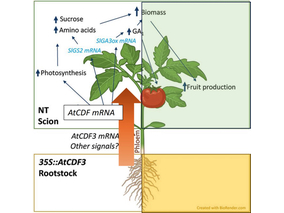
AtCDF3 gene induced greater production of sugars a...
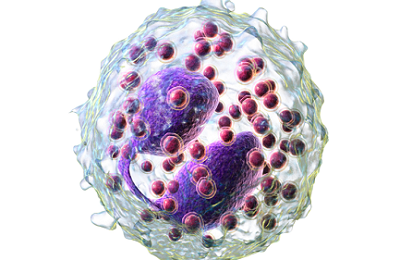
En nuestro post hablamos sobre este interesante tipo de célula del...
A Phase I clinical trial shows that the oncolytic virus VCN-01 can tra...