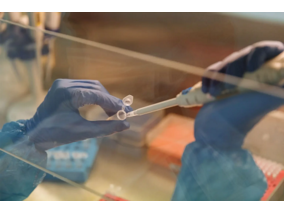
Peptide mapping has become the gold standard analytical approach for addressing this complexity. It converts a protein into a defined set of peptides that can be individually identified, located withi...
Read more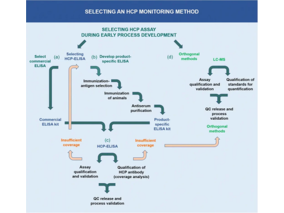
HCP monitoring in biopharmaceutical manufacturing is classified as a critical quality attribute in regulatory guidance and not merely a characterization exercise.
Read more
Regulatory expectations for pharmaceutical development have evolved considerably over the past two decades, from a compliance-driven and empirical paradigm toward a science- and risk-based framework c...
Read more
Purification is often where development programs stall: inadequate method design, suboptimal column selection, or a poor understanding of critical impurity profiles can consume months of development t...
Read more
The search for safer, more effective medicines increasingly depends on understanding how biological systems respond to disease, genetic variation, and therapeutic interventions at the molecular level....
Read more
The modern drug development timeline is highly shaped by manufacturing readiness, analytical understanding, and regulatory alignment. While innovation in therapeutic modalities has accelerated target ...
Read more
Manufacturing and Controls (CMC) framework ensures that every dose of an investigational product is safe, effective, and consistent in quality. As a candidate moves through the drug development stages...
Read more
Regulatory guidance recognizes that advanced therapy medicinal products differ fundamentally from conventional drugs because variability may arise from living systems, manufacturing environments, and ...
Read more
The landscape of impurity control in pharmaceutical manufacturing has been profoundly reshaped by the emergence of N-nitrosamines as potent mutagenic impurities. Since the initial discovery of NDMA in...
Read more
The rapid maturation of nucleic acid therapeutics and complex biologics has necessitated a significant shift in the pharmaceutical quality paradigm. Traditional “one-size-fits-all” approaches are ...
Read more
Outsourcing analytical development, more than a cost-saving mechanism, has become a strategic lever that shapes data quality, regulatory confidence, and development speed. When aligned correctly, anal...
Read more
The integration of Ultra-High Performance Liquid Chromatography (UPLC) with tandem mass spectrometry has proven essential for accurate quantification and characterization. This technical advancement r...
Read more
La mejor actitud que podemos adoptar es la de trat...

The research team observed changes in head circumf...
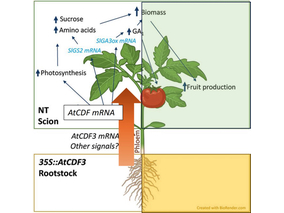
AtCDF3 gene induced greater production of sugars a...
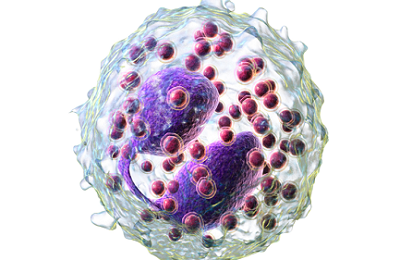
En nuestro post hablamos sobre este interesante tipo de célula del...

New study finds an association between higher temperatures early in li...