The global, multicenter phase III, double-blind, randomized, phase III LITESPARK-022 study evaluated the efficacy of adding the HIF-2α inhibitor belzutifan to standard of care adjuvant pembrolizumab versus pembrolizumab plus placebo in patients with clear-cell renal-cell carcinoma (ccRCC) at increased risk of relapse after surgery.
Published in The New England Journal of Medicine*, results demonstrate that the combination strategy resulted in a 28% decrease in disease recurrence compared to pembrolizumab alone. The findings were first reported at the 2026 American Society of Clinical Oncology Genitourinary Cancers Symposium (ASCO GU) by lead and corresponding author Toni K. Choueiri of Dana-Farber Cancer Institute in Boston.
Renal cell carcinoma—also known as kidney cancer or renal adenocarcinoma—is a disease that originates in the lining of the kidney tubules, accounting for around 3% of all adult cancers. Among the various types of renal cell tumors, the most common is clear-cell carcinoma, which accounts for around 75% of malignant kidney tumors. Over recent years, immunotherapy-based combinations have been established as the standard first-line treatment for this tumor type.
“The standard of care for patients with resected clear-cell renal-cell carcinoma who have an intermediate or high risk of recurrence after surgery is pembrolizumab, an immune checkpoint inhibitor. However, about 30% of these patients will relapse or die within five years after surgery, underscoring the need to develop new therapeutic strategies,” said Cristina Suárez, Medical Oncologist at the Vall d’Hebron University Hospital, Head of VHIO’s Genitourinary (non-prostate), Central Nervous System Tumors (CNS), Sarcomas, and Tumors of Unknown Origin Group, and a co-author of the research article.
Belzutifan is a potent, selective HIF-2α inhibitor that disrupts tumor growth and disease progression in oxygen-deprived environments. The HIF-2α protein helps tumor cells survive and grow in low-oxygen environments—a common characteristic of renal tumors. Inhibiting this pathway hinders the ability of cancer cells to adapt to these hypoxic conditions and continue proliferating.
LITESPARK-022 included 1,841 participants with completely surgically resected ccRCC at intermediate-high or high risk of relapse after surgery, as well as patients with resected metastatic disease. Patients were randomized 1:1 to receive the pembrolizumab-belzutifan combination or pembrolizumab plus placebo.
With a median follow-up of 28.4 months, disease-free survival was significantly higher with pembrolizumab-belzutifan than with pembrolizumab-placebo; the estimated 24-month disease-free survival was 80.7% and 73.7%, respectively. The investigational combination resulted in a 28% decrease in disease recurrence.
The incidence of adverse effects was higher with the combination than with pembrolizumab alone. However, overall safety was consistent with the expected profiles of each individual drug.
While overall survival data are still immature, a favorable trend is observed in patients treated with the investigational combination. Longer follow-up will be required to determine whether this benefit translates into a significant improvement in overall survival.
“LITESPARK-022 is the first adjuvant phase III trial in RCC to show a significant benefit for a combined treatment strategy versus standard treatment with immunotherapy. These results could lead to a new standard of care in this setting,” concluded Suárez.
Belzutifan is approved for the treatment of adults with von Hippel-Lindau syndrome associated with renal cancer and certain neuroendocrine tumors; in the United States and some European countries, it is also approved as a monotherapy for patients with metastatic renal cell carcinoma that has progressed following immunotherapy and anti-angiogenic therapy.
Reference
*Choueiri TK, Motzer RJ, Karam JA, Yip W, Suárez C, Ye D, He Z, Caglevic C, Ferguson T, Chang YH, Rojas C, Iacovelli R, Ürün Y, Verzoni E, Vázquez Limón JC, Porta C, Uzzo RG, Lee JL, Venugopal B, McKay RR, Hammers H, Miyake H, Chahoud J, Liu H, Burgents JE, Sharma M, Powles TB; LITESPARK-022 Investigators. Adjuvant Pembrolizumab plus Belzutifan for Renal-Cell Carcinoma. N Engl J Med. 2026 Jul 2;395(1):32-43. doi: 10.1056/NEJMoa2518245.

La mejor actitud que podemos adoptar es la de trat...

The research team observed changes in head circumf...
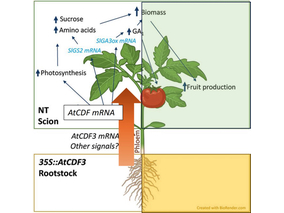
AtCDF3 gene induced greater production of sugars a...
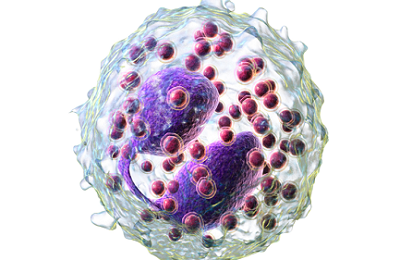
En nuestro post hablamos sobre este interesante tipo de célula del...

To conduct the study, the researchers analyzed 19 symptoms and comorbi...