
How will we feed more than 10 billion people?
Global food systems are facing one of the greatest challenges of the coming decades.
According to demographic projections, the world population could surpass 10 billion people before the end of the century. This means increasing food demand, growing pressure on natural resources and the need for more efficient and sustainable food systems.
The challenge is not only producing more food, but finding better ways to produce it with lower environmental impact and greater efficiency.
In this context, microalgae are attracting growing attention as one of the emerging technologies that could play a role in the future of food.
Why is the food industry changing?
The global food industry is rapidly evolving due to several major factors:
As a result, the industry is exploring new sources of ingredients capable of addressing these challenges.
Concepts such as:
are becoming increasingly important.
What are microalgae?
Microalgae are microscopic photosynthetic organisms capable of producing a wide range of nutritional and industrial compounds.
Compared to traditional agriculture, microalgae can offer:
Some of the most relevant compounds include:
Their potential has generated interest in sectors such as:
Applications of microalgae in food and biotechnology
One of the most promising sectors is aquaculture, where microalgae can provide essential compounds such as omega‑3 and proteins.
Human nutrition
Microalgae are being explored as alternative sources of proteins and functional ingredients for food products.
Aquaculture
One of the most promising sectors is aquaculture, where microalgae can provide essential compounds such as omega‑3 and proteins.
Functional ingredients
Natural pigments, antioxidants and bioactive compounds are generating increasing interest for food and nutraceutical applications.
Biotechnology and sustainability
Microalgae are also being explored within more sustainable and circular production models.
The challenges ahead
Despite their enormous potential, the microalgae sector still faces important challenges.
The main challenge is not only scientific, but industrial.
Key factors include:
The transition from research to viable industrial applications will be critical for the future of the sector.
The future of microalgae
Everything suggests that microalgae will continue gaining relevance within the food and biotechnology industries.
While they will not be the only solution to global food challenges, they could become an important part of more sustainable and efficient food systems.
As technology and industrial processes continue improving, new applications and opportunities will emerge across multiple industries.
Conclusion
Feeding a growing global population will require new technologies, new ingredients and new ways of producing food.
Microalgae represent one of the most promising areas within this transformation.
At Neoalgae, we will continue sharing our perspective, experience and insights about the future of microalgae and their role in food and biotechnology.
By David Alonso

La mejor actitud que podemos adoptar es la de trat...

The research team observed changes in head circumf...
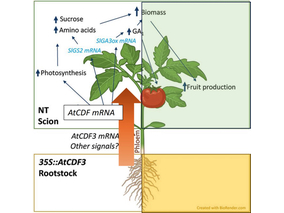
AtCDF3 gene induced greater production of sugars a...
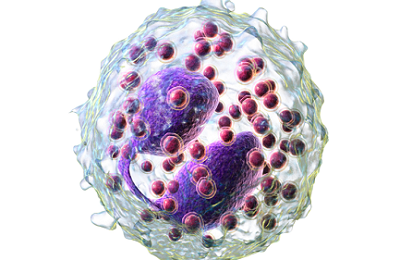
En nuestro post hablamos sobre este interesante tipo de célula del...
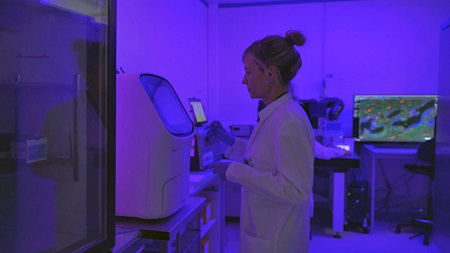
The work, co-led by CIC bioGUNE and IBBTEC and published in Nature Com...