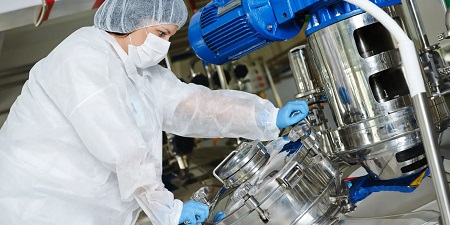
The pharmaceutical industry demands the highest standards of quality and purity in all its production processes. In this context, pharmaceutical filters play a crucial role in ensuring that final products are free of contaminants and safe for consumption. These filters are essential at various stages of drug manufacturing, from the filtration of active ingredients to final protection in distribution systems. In this article, we explore how pharmaceutical filters help maintain quality and purity in production and why they are fundamental to the industry.

What are Pharmaceutical Filters?

Pharmaceutical filters are devices designed to separate unwanted particles from liquids or gases during production processes in the pharmaceutical industry. These filters are manufactured with high-quality materials and comply with strict sanitary regulations to prevent any type of contamination in the final products. Depending on the application, different types of filters can be used, such as membrane filters, cartridge filters, and bag filters, among others.

Advantages of Pharmaceutical Filters

  1. High Filtration Efficiency: Pharmaceutical filters are designed to capture extremely small particles, including bacteria, viruses, and microscopic contaminants, ensuring that products are 100% pure and safe.
  2. Compliance with Health Regulations: They are manufactured according to strict quality standards and comply with the most demanding regulations of organizations such as the FDA and the EMA, which guarantees that they do not release harmful substances during the process.
  3. Prevention of Cross-Contamination: Pharmaceutical filters prevent cross-contamination between different production batches, which is essential to maintaining the integrity and quality of medicines.
  4. Versatility in Applications: Pharmaceutical filters can be used in various stages of the manufacturing process, including ingredient filtration, pure water treatment, product sterilization, among others.
  5. Easy Integration into Existing Systems: These filters are designed to be easily integrated into existing production systems, improving process efficiency without the need for significant modifications.

Types of Pharmaceutical Filters

There are different types of pharmaceutical filters, each with specific applications depending on the process needs. Some of the most common include:

  • Membrane Filters: Used for the filtration of liquids in sterilization processes and the removal of very small particles, such as bacteria and endotoxins.
  • Cartridge Filters: Ideal for filtering large volumes of liquids, such as injectable solutions or liquid active ingredients.
  • Bag Filters: Used for liquids with a high particle load, such as in the purification of water or semi-liquid products.
  • Sterile Filters: These filters are used in the filtration of sterile solutions, eliminating microorganisms and ensuring the sterility of the products.

Applications of Pharmaceutical Filters

Pharmaceutical filters are essential at various stages of the drug manufacturing process. Some key applications include:

  • Filtration of Active Ingredients: The active ingredients, which are the basis of medicines, must be purified and filtered to ensure they are free of contaminants before being mixed into the final products.
  • Filtration of Injectable Solutions: In the manufacture of injectable solutions, pharmaceutical filters ensure that the solutions are completely sterile and free of particles.
  • Purified Water Treatment: Purified water systems in pharmaceutical plants use filters to ensure that the water meets the quality standards required for drug production.
  • Sterile Air Filtration: In manufacturing areas that require sterile environments, such as cleanrooms, air filters ensure that the air is free of particles and microorganisms that could contaminate products.

Why Choose High-Quality Pharmaceutical Filters?

Choosing high-quality pharmaceutical filters is crucial to ensuring the integrity of pharmaceutical products. Filter quality directly impacts the purity of the final product, which, in turn, affects patient safety and the company's reputation. Low-quality filters can be responsible for contamination, potentially leading to the recall of entire product batches, brand damage, and possible legal repercussions. Investing in high-quality pharmaceutical filters ensures an efficient and safe production process.

Benefits for your company

  • Quality Assurance: High-quality pharmaceutical filters ensure that products are free of contaminants, reducing the risk of quality problems and improving customer satisfaction.
  • Regulatory Compliance: Choosing the right pharmaceutical filters helps comply with the safety and quality regulations of health agencies, avoiding penalties and ensuring product certification.
  • Reduction of Operating Costs: By minimizing contamination and associated risks, high-quality filters help avoid batches of defective products and costly production delays.
  • Improved Efficiency: A suitable filtration system optimizes production processes, reducing the time spent on purification and increasing overall efficiency.

Conclusion

Pharmaceutical filters are essential components in drug manufacturing, ensuring the purity, quality, and safety of the final products. Their proper use not only improves operational efficiency but also guarantees compliance with the stringent quality and hygiene regulations required in the pharmaceutical industry. Choosing high-quality pharmaceutical filters is an investment in patient safety, brand reputation, and production process efficiency.

Are you looking for high-quality pharmaceutical filters for your production processes?

Contact them today to learn more about their pharmaceutical filtration solutions and how they can optimize the quality of your products.

Subscribe to Directory
Write an Article

Recent News

¿Por qué no es recomendable llevar la ...

La mejor actitud que podemos adoptar es la de trat...

Exposure to Heat and Cold During Pregnan...

The research team observed changes in head circumf...

Using mobile RNAs to improve Nitrogen a...

AtCDF3 gene induced greater production of sugars a...
Highlight

Eosinófilos. ¿Qué significa tener val...

by Labo'Life

​En nuestro post hablamos sobre este interesante tipo de célula del...
Early Pregnancy Exposure to Heat and Col...

by ISGlobal - Instituto de Salud Global de Barcelona

Study in Dutch birth cohorts finds early pregnancy temperature exposur...

Photos Stream