Fragile X syndrome (FXS) is the most common genetically based hereditary cause of intellectual disability.It is caused by an alteration in a gene of the X chromosome which affects the production of a protein essential for the development of the nervous system. This condition can manifest itself differently in each person and can influence language, social communication, cognition and the regulation of emotions.
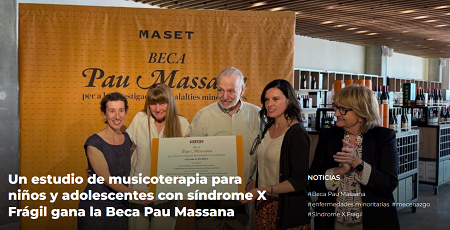
To contribute to improving knowledge and the approach to this syndrome, Cellers Maset collaborates for another year with the Parc Taulí Research and Innovation Institute (I3PT) through the Pau Massana scholarship, which has been providing financial support to the event for four editions research and development of projects that improve the quality of life of people affected by rare diseases.
"We know what it means to live with the helplessness of not knowing what is happening to someone you love or how to help them. Medical research is a hope for a better future, so that what has no answer today may have one tomorrow", he highlighted. Marc Massana, responsible for Cellers Maset.
This year, the winning project of the scholarship was “Music therapy as a tool to modulate social anxiety, language level and communication in children and adolescents with Fragile X syndrome”, led by the researcher and head of the research group on genetically based neurodevelopmental disorders from the I3PT, Anna Roche.
Music and its potential to improve the quality of life
The project aims to analyze how music can influence the physical, mental and emotional well-being of children and adolescents who suffer from this rare disease. To do this, the research team will evaluate the participants before and after music therapy. Indicators such as cognitive level, language and communication skills, and levels of social anxiety will be measured, to determine if there are significant changes attributable to music therapy.
"We wanted to design a project that was directly applicable to the quality of life of patients with Fragile X syndrome.", said Ana Roche, neuropediatrician and principal investigator of the winning project of this edition. In this sense, "we thought it would be interesting to use music therapy in people with Autism Spectrum Disorder (ASD), with which Fragile X syndrome shares several clinical features."
Music therapy is not just based on listening to music. Through elements such as rhythm or sounds, aspects such as the regulation of emotions, attention, concentration and impulse control can be worked on.
Parc Taulí, a reference center in Fragile XParc Taulí is a reference center in the diagnosis, monitoring and treatment of Fragile X syndrome.Since the 90s, a multidisciplinary team made up of professionals in neuropediatrics, neuropsychology, clinical genetics and molecular genetics at Parc Taulí has ensured continuous care for affected people throughout the different stages of life.
"Working with these patients allows us to directly connect clinical practice with research. What we observe in our daily lives helps us to do better research, and what we discover can then be transferred to improve care.”
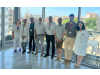
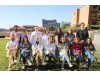
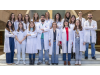
An essential part of this work are the families who follow their treatment at the center., like Adrián's, who has been visiting Parc Taulí for years and who participated in the Pau Massana Scholarship award ceremony.
"For families, it is important to feel supported by the hospital and the associations. The doctors have known Adrián since he was 18 months old and have been able to see how he has evolved until now, at 14 years old.", she said Lidia, Adrián's mother and president of the Catalan Fragile X Syndrome Association. “Music therapy can help children, because music connects them and can be useful at certain times in their lives.”
Patients, family members, health professionals and entities. “It is the joint work between all parties involved that allows us to advance knowledge and improve the lives of patients with fragile X syndrome.”, concluded the president of Parc Taulí, Dolores Costa, in the closing speech of the event. “Research only advances when there is knowledge, commitment and people willing to contribute.”

La mejor actitud que podemos adoptar es la de trat...

The research team observed changes in head circumf...
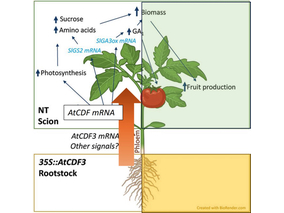
AtCDF3 gene induced greater production of sugars a...
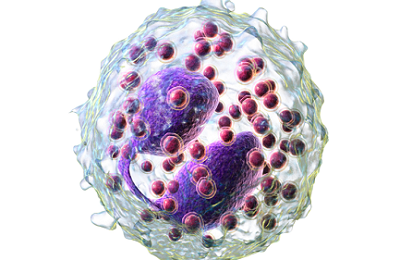
En nuestro post hablamos sobre este interesante tipo de célula del...
New study finds an association between higher temperatures early in li...