AbilityPharma, a clinical stage biopharmaceutical company specializing in the development of innovative oncology therapies, announced that the data of its Phase I/IIa ENDOLUNG trial evaluating ibrilatazar (ABTL0812) in combination with chemotherapy (paclitaxel/carboplatin) for patients with stage III/IV squamous non-small cell lung cancer (sq-NSCLC) has been published in the Lung Cancer journal.
The trial was conducted at the Catalan Institute of Oncology (ICO) in Badalona, Girona and l’Hospitalet (Barcelona), Paoli-Calmettes Institute in Marseille, Virgen del Rocío University Hospital in Seville and Clinic University Hospital in Valencia.
The publication builds upon AbilityPharma’s previous research featured in the International Journal of Cancer (Leary et al., 2024). These advancements further consolidate the company’s leadership in the development of autophagy-mediated oncology drugs that selectively kill cancer cells while sparing normal cells.
Dr. Carles Domènech, AbilityPharma’s CEO & Co-Founder, stated, “This publication represents a crucial development in the study of new drugs and combinations for advanced squamous lung cancer. For AbilityPharma it is a significant milestone in our mission to deliver transformative treatments to cancer patients”.
Dr. Joaquim Bosch, medical oncologist from the ICO Girona and researcher from the Dr. Josep Trueta Biomedical Research Institute of Girona (IDIBGI), and first author of the article, explained:
"Squamous cell lung cancer is one of the lung cancer subtypes with the fewest therapeutic options and the poorest prognosis. That’s why it is especially relevant that a new molecule like ibrilatazar, with a different mechanism of action, has shown promising antitumor activity. This molecule targets the PI3K pathway and autophagy, making it a very attractive and innovative therapeutic target. Ibrilatazar also demonstrated a favorable tolerability profile in combination with chemotherapy in this study."
Fellow senior author on the publication Dr. Teresa Morán, medical oncologist at ICO Badalona and researcher of B·ARGO group at the Germans Trias i Pujol Research Institute (IGTP), added: “Ibrilatazar, when administered in combination with chemotherapy and subsequently as maintenance therapy, has shown a median overall survival of over 22 months in sq-NSCLC. These results are highly promising. If confirmed in a randomized study, ibrilatazar could become a treatment option for this complex disease.”
Summary of the main results reported in the publication
Reference articles:
About Squamous Non-Small Cell Lung Cancer
Squamous Non-Small Cell Lung Cancer (sq-NSCLC) is one of the most common subtypes of lung cancer worldwide, accounting for approximately 20-30% of all Non-Small Cell Lung Cancer (NSCLC) cases. Globally, lung cancer ranks as the second most frequently diagnosed cancer, with over 2.2 million new cases reported annually. The incidence has risen by 50% over the past 30 years and is expected to continue to increase due to an aging population and rising global rates of obesity and diabetes. More than 90% of cases occur in patients over 50 years of age.
About ibrilatazar (ABTL0812)
Ibrilatazar is a first-in-class, fully differentiated oral targeted anticancer compound that induces cell death selectively in cancer cells (and not in normal cells) through autophagy (self-digestion). The mechanism of action of ibrilatazar is both unique and novel. The robust autophagy comes from the combined induction of PPAR-dependent endoplasmic reticulum stress (ER stress) and the inhibition of Akt activation, the central kinase in the PI3K/Akt/mTOR pathway. The mechanism of action was published in Clinical Cancer Research (2016) and in Autophagy (2020).
In clinical trials, ibrilatazar has demonstrated clinical benefit for patients with endometrial and lung cancer. Also, it showed robust preclinical proof-of-concept in animal models of cancer types, including lung, endometrial and pancreatic cancer, neuroblastoma, and glioblastoma.

La mejor actitud que podemos adoptar es la de trat...

The research team observed changes in head circumf...
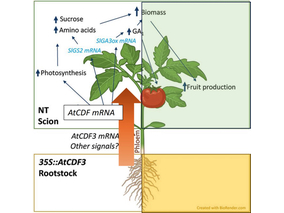
AtCDF3 gene induced greater production of sugars a...
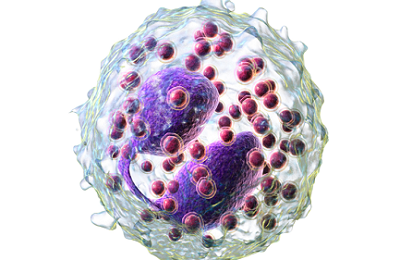
En nuestro post hablamos sobre este interesante tipo de célula del...

New study finds an association between higher temperatures early in li...