Advanced therapies—CAR-T cell therapies, viral vector gene therapies, and tissue-engineered products—represent the most demanding frontier of biopharmaceutical production. The processes are inherently complex, batches are small and highly customized (especially for autologous CAR-T cells), and the purity, sterility, and traceability requirements far exceed those of conventional biopharmaceutical production. In this context, the specification of process components—clamp fittings, silicone tubing, hoses, and valves—is critical at an unprecedented level.
The Regulatory Framework for ATMPs and its Implications for Components
Advanced therapies are regulated in Europe by Regulation (EC) No 1394/2007 on advanced therapy medicinal products and overseen by the EMA's Committee for Advanced Therapies (CAT). In the US, ATMPs are regulated by the FDA as biological products under Section 351 of the Public Health Service Act.
The regulatory framework for ATMPs has direct implications for process components:
Chain of custody and traceability: In autologous therapies such as CAR-T, the starting material is the patient's own tissue or blood. Traceability is bidirectional and absolute: from the extraction of the patient's material to the reinfusion of the final product, every component in contact with the patient's material must be identifiable. This includes every clamp, every hose, and every silicone tube used in the process.
More stringent biocompatibility requirements: In cell therapies, components are in contact with living cells. Extractables from gaskets and tubing can affect cell viability and functionality, which can directly impact the product's therapeutic efficacy. Biocompatibility testing must include not only systemic toxicity but also effects specific to the cell type used.
Closed systems: EU GMP Annex 2A (advanced therapy medicinal products) and FDA guidelines for ATMPs establish specific requirements for the use of closed systems to minimize the risk of contamination. Aseptic connections (membrane rupture connectors, sterile connectors) and single-use systems are essential components of closed systems in ATMP production.
CAR-T Production: Components in Custom Manufacturing Process
Autologous CAR-T cell therapies are perhaps the most extreme example of personalized production in bioprocessing. Each batch corresponds to a single patient, the volumes are small (typically 10–100 mL of final product), and the entire process must be performed under strict aseptic conditions.
The CAR-T production process includes several stages where hygienic components are critical:
Activation and transduction: The patient's T cells are activated with antibodies and transduced with the viral vector that confers CAR T-cell capability. These steps are performed in processing bags or culture plates in cleanroom environments. Small-diameter platinum silicone tubing and aseptic connectors are used for fluid transfer at this stage.
Cell expansion: CAR-T cells are expanded in disposable bioreactors (rocking motion bioreactors, agitated bag bioreactors) or in closed culture systems specifically designed for T cells. Silicone tubing for peristaltic pumps for adding medium and sampling tubing are critical components.
Formulation and cryopreservation: The final product is formulated with a cryoprotective solution and frozen in disposable bags. Transfer hoses and sterile-closing aseptic connectors are the process components used in this stage.
Component-level traceability: In GMP-compliant CAR-T production, every tube, bag, and connector used in the patient process must be recorded in the batch record with its lot number. Traceability is not just a regulatory requirement; it is the only way to investigate a nonconformity if the product does not meet release specifications.
Gene Therapy with Viral Vectors: Specific Component Requirements
The production of viral vectors (adenovirus, lentivirus, AAV) for gene therapy imposes additional requirements on process components related to the nature of the biological agent:
Biological containment: Viral vectors are biological agents classified at containment levels BSL-1 to BSL-2 (depending on the serotype and genetic modification). Process systems must be designed to ensure virus containment: no leaks, no aerosols, and no escape into the environment. Clamp connections must be leak-proof under process pressure conditions.
Inactivation and cleaning: Piping systems in contact with viral vectors must be able to be effectively disinfected before cleaning and reuse (or disposed of as biowaste in the case of single-use systems). Clamp fittings and hoses must be compatible with viral inactivation agents (NaOH, hypochlorite, formaldehyde in some cases).
Purely closed process: Viral vector production is carried out in completely closed systems to prevent operator and environmental exposure. Aseptic connections (membrane rupture connectors, clamp-to-bag adapters) are essential to maintain the system closed during fluid transfers.
Extractables with a viral perspective: In gene therapy, E&L studies must consider not only the toxicity of extractables to the patient but also their potential effect on the activity or integrity of the viral vector. Even small amounts of compounds that could interfere with the viral capsid or genetic material can affect the therapeutic potency of the product.
Closed Systems and Aseptic Connectors in ATMPs
The closed system concept is fundamental in ATMP production. A closed system eliminates the possibility of contact between the process material and the external environment during fluid transfers, thus minimizing the risk of microbial contamination and operator exposure to biological agents.
The key components of closed systems in ATMPs are:
Membrane-rupture connectors (such as Merck Millipore's Lynx S2S and Cytiva's Readymate) allow for the sterile connection of two lines in an open field by breaking an internal membrane that maintains sterility on each side until the moment of junction. They are the standard for transfers in CAR-T cell production and gene therapy.
Heat-weld connectors (Sebra, GE WAVE): These allow for the connection and disconnection of silicone tubing using heat welding, creating a sterile joint without fluid exposure. The heat-sealed disconnection of both ends allows for line separation while maintaining system integrity.
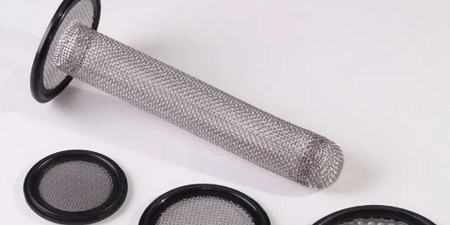
Clamp-to-bag and clamp-to-tubing adapters: interfaces between the fixed clamp infrastructure of the facility and disposable components (bags, single-use tubing). The clamp gasket on these adapters must be made of platinum silicone with an available E&L study.
Sterile vent filters: In closed systems with process bags, vent filters (0.22 μm) allow pressure equalization without compromising sterility. Filter clamp fittings must be included in the inventory of qualified components.
Traceability in ATMPs: The Component as Part of the Patient's History
In advanced therapies, especially in autologous products such as CAR-T, the traceability of process components has an additional dimension that does not exist in conventional biopharmaceutical production: the component becomes part of the patient's history.
The traceability system for components in ATMP production must include:
Unique patient identification: all process material associated with a specific patient must be identified with the donor/patient number from receipt of biological material to release of product.
Record all components per patient: each hose, each clamp joint, each aseptic connector, and each process bag used in the production of a specific patient's batch must be recorded with its batch number in the corresponding batch record.
Bidirectional traceability: the system must allow: (1) from the patient, identification of all components used in their process; and (2) from a batch of defective component, identification of all patients whose products could have been affected.
Documentation filing: Certificates of conformity for all components must be filed according to GMP requirements for ATMPs, which in Europe establish a filing period of at least 30 years (given that the effects of these therapies can manifest decades after treatment).
LIMS systems and digital integration: Laboratory information management systems (LIMS) in ATMP facilities are designed to automatically capture component traceability information, reducing the risk of human error in manual recording.
Conclusion
Advanced therapies represent the future of medicine, and their production demands the highest standards in every component of the process. Clamp joints, silicone tubing, pharmaceutical hoses, and aseptic connectors in ATMP facilities are not simply technical components: they are part of a system whose integrity can determine the success or failure of a potentially life-saving treatment. If you design or manage ATMP production facilities and require advice on components and documentation, our team is at your service.

La mejor actitud que podemos adoptar es la de trat...

The research team observed changes in head circumf...

AtCDF3 gene induced greater production of sugars a...

En nuestro post hablamos sobre este interesante tipo de célula del...

Hasta un 85% de los tumores de pulmón de células pequeñas puede exp...