Menstruation may act as a cofactor that increases the severity of food allergic reactions in some women. Although this phenomenon remains poorly understood and is likely underdiagnosed, research suggests that hormonal changes throughout the menstrual cycle can influence the immune response and increase the risk of severe allergic reactions, including anaphylaxis.
When we think of a food allergy, we often believe that everything depends on what we eat. But this is not always the case. In the same person, the intensity of a reaction can change from one day to the next, even when eating the same food and in the same quantity.
Why is that?
Part of the answer lies in so-called cofactors: situations that can amplify an allergic reaction. Among the best-known are physical exercise, alcohol, and some anti-inflammatory drugs (NSAIDs). In the presence of these cofactors, a reaction that might otherwise be mild can become much more intense. For example, a person allergic to walnuts may have no symptoms when eating them. But, if they then exercise, it can trigger a severe reaction, such as hives or even anaphylaxis.
And there is another cofactor that often goes unnoticed: menstruation.
A little-studied, but relevant, factor
In day-to-day life, it is common for some women to describe the same pattern: allergic reactions are more intense at certain times of the cycle, especially in the days leading up to or during their period.
However, this association often goes unnoticed. It is not systematically asked about, not all reactions are always linked to the menstrual cycle, and there are few specific studies. For this reason, it is probably an underdiagnosed phenomenon.
And this raises a key question: what exactly is happening in the body?
Hormones and the immune system: when the body responds differently
The immune system does not always respond in the same way. In women, some of these changes can be influenced by the menstrual cycle, especially by the hormonal variations that occur throughout the month.
These hormones don’t just regulate the reproductive cycle: they can also modify the body’s response to an allergen. At certain times, the immune system can be more “reactive”, and this can cause an allergy to manifest with greater intensely.
This pattern is not exclusive to food allergies. It has also been observed in other conditions, such as asthma, which in some women can worsen before or during their period.
Why is this important to understand?
Because it can mean the difference between a mild and a severe reaction.
Many women may experience changes in their allergic reactions without knowing why. Understanding the role of the menstrual cycle can facilitate the identification of the times of greatest risk… and, therefore, prevent complications.
There are still many unknowns: we don’t know exactly how many women it affects, why it only happens in some cases, or what role treatments like hormonal contraception might play.
But we know enough not to ignore it.
A better understanding of this relationship can help us to:
Looking to the future
The Allergology Department is leading a study to delve deeper into the role of menstruation and hormones in severe allergic reactions.
The goal is clear: to advance towards more personalized medicine, which takes into account not only what triggers an allergy, but also when and under what circumstances it occurs.
Because understanding these nuances can make a huge difference to safety and quality of life for women with food allergies.
References:
Written By:
Rosa Muñoz-Cano: Servicio de Alergología, Hospital Clínic de Barcelona, Universitat de Barcelona
Sofia Carreras-Kàtcheff: Servicio de Alergología, Hospital Clínic de Barcelona, Universitat de Barcelona

La mejor actitud que podemos adoptar es la de trat...
The research team observed changes in head circumf...
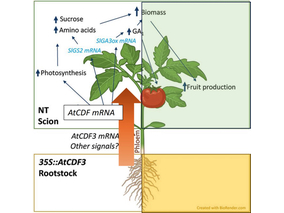
AtCDF3 gene induced greater production of sugars a...
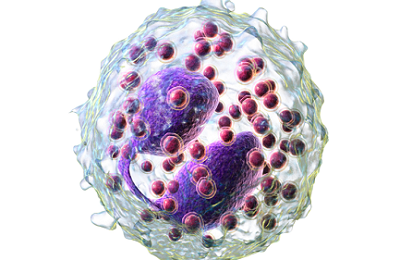
En nuestro post hablamos sobre este interesante tipo de célula del...

New study finds an association between higher temperatures early in li...