
Researchers from the Granada Institute of Biosanitary Research (ibs.GRANADA) have led a study analyzing the relationship between higher consumption of ultra-processed foods in adolescents and alterations in biochemical markers associated with a higher risk of developing type 2 diabetes mellitus at an early age.
The research includes the participation of Dr. Emilio González-Jiménez and Dr. Miriam Mohatar-Barba, both researchers from the EE12-HYGIA group: Care and conditioning factors in health of ibs.GRANADA and professors of the Department of Nursing at the University of Granada.
Ultra-processed foods are industrial products made from refined ingredients and additives, often containing high amounts of added sugars, unhealthy fats, and salt, and having low nutritional value. Their consumption has increased significantly in recent decades, especially among adolescents, posing a major public health challenge.
The study was conducted with 31 Muslim adolescents, aged between 15 and 17, residing in the Autonomous City of Melilla. To assess their diet, the NOVA classification was used, a system that groups foods according to their degree of processing and identifies those considered ultra-processed.
In addition to analyzing diet, various markers related to the participants' metabolic health were analyzed. These included body measurements such as body mass index, body fat percentage, waist circumference, and waist-to-height ratio, as well as parameters obtained through blood tests, such as fasting glucose, blood lipid levels, and several markers related to inflammation.
The results showed that adolescents who consumed more ultra-processed foods also had higher levels of markers associated with body fat accumulation. They also exhibited higher fasting glucose levels and changes in blood parameters linked to cardiovascular and metabolic health, such as triglycerides and certain types of cholesterol.
These markers are important because they can help identify early on possible metabolic alterations related to the risk of type 2 diabetes. The results obtained provide new evidence on the relationship between the consumption of ultra-processed foods and metabolic health during adolescence.
The study also found differences between girls and boys in some markers related to inflammation. Girls showed higher levels of several molecules involved in the immune response, while boys showed a different inflammatory marker.
Taken together, these results suggest that low-grade inflammation may appear in the early stages of metabolic risk during adolescence. The findings reinforce the importance of a healthy diet during this stage of life, as habits acquired during adolescence can influence future health.
“These results reinforce the need to pay attention to the quality of diet during adolescence, a particularly sensitive stage for acquiring habits that can persist into adulthood. Although this is a pilot study, we observed relevant associations between higher consumption of ultra-processed foods and alterations in metabolic markers related to the risk of type 2 diabetes, which underscores the importance of promoting preventive strategies from an early age,” says Dr. Miriam Mohatar-Barba, researcher with the EE12-HYGIA group at ibs.GRANADA, professor in the Department of Nursing at the University of Granada, and lead author of the study.
The study underlines the need to promote nutritional interventions aimed at reducing the consumption of ultra-processed foods in the young population, as well as to encourage healthy lifestyle habits from an early age, especially in specific socio-cultural contexts such as Melilla.
This research has been funded by the research project “Study of alterations in metabolic markers in adolescents for their estimation as predictors of type 2 diabetes mellitus in a multicultural context”, awarded in the 2023 Research Incentive Program (University of Granada Research Plan).
Bibliographic reference:
Mohatar-Barba, M., López-Olivares, M., González-Jiménez, E., García-González, A., Perona, JS, & Enrique-Mirón, C. (2026). Consumption of Ultra-Processed Foods and Biochemical Markers Predictive of Type 2 Diabetes Mellitus in a Self-Selected Pilot Sample of Muslim Adolescents in Melilla. Foods, 15(2), 319. https://doi.org/10.3390/foods15020319
About the group:
The EE12-HYGIA research group: Care and Conditioning Factors in Health, belonging to the Epidemiology and Public Health area of ibs.GRANADA, is made up of healthcare professionals, educators, and primary care practitioners. Their scientific activity focuses on the study of healthcare and the biopsychosocial and cultural factors that influence population health, as well as on health promotion, disease prevention, and the transfer of scientific knowledge to clinical practice.
More information about the group: https://www.ibsgranada.es/grupos-de-investigacion/ee12-hygia/

La mejor actitud que podemos adoptar es la de trat...

The research team observed changes in head circumf...
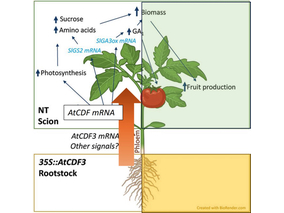
AtCDF3 gene induced greater production of sugars a...
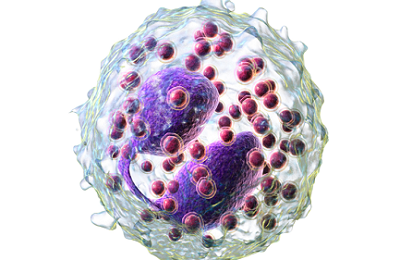
En nuestro post hablamos sobre este interesante tipo de célula del...

The international conference The Barcelona Debates on the Human Microb...