
Results of a phase I open-label, non-randomized, multi-center clinical trial evaluating show that mosperafenib, a next-generation BRAF inhibitor (BRAFi) with paradox-breaking and brain penetrating properties, is well-tolerated with promising signals of antitumor activity in patients with advanced BRAF V600-mutant solid tumors.
Published in the Journal of Clinical Oncology(1) and first authored by Maria Vieito, Medical Oncologist at the Vall d’Hebron University Hospital and a CORE Phase I Investigator of VHIO’s Early Clinical Drug Development Group and Research Unit for Molecular Therapy of Cancer (UITM)–CaixaResearch, data support future investigations and the clinical development of this novel agent as a potential therapeutic option for this patient population.
Novel mechanism of action
Mosperafenib is a novel, paradox breaker and brain penetrant BRAFi designed to overcome the limitations of conventional therapy. One of its most innovative pharmacological properties is its capacity to avoid paradoxical activation of the MAPK pathway, a phenomenon which has limited the use of current BRAFi therapy.
Instead of blocking cell proliferation in tumor cells, MAPK activation occurs when treatment unintentionally activates this pathway in healthy cells which can lead to side effects such as skin lesions or even the development of new tumors. Mosperafenib has been specifically designed to block the MAPK pathway in a more selective and controlled manner, reducing this risk and improving the safety profile of treatment.
This first-in-human study included 80 patients, 63 with colorectal cancer (CRC), 13 with melanoma, and 4 with other advanced solid tumors who received treatment with single-agent mosperafenib. More than half of the patients had previously received treatment with BRAFi. Patients with brain metastases were also included; a subgroup that is frequently excluded from clinical trials.
The overall response rate was 24.2% including 2 complete responses and 14 partial responses. Median progression-free survival was 6.4 months in patients with CRC and 3.5 months in patients with melanoma. Overall, therapy was well tolerated.
Earlier studies reported the brain penetration properties of mosperafenib in preclinical models. In the study presented here, clinical benefit, defined as the absence of a complete response or disease progression in non-measurable lesions, was observed in 5 of the 9 patients with brain metastases.
“Additional investigations in specific cohorts of patients with active brain metastases are required to confirm the clinical benefit of mosperafenib’s capacity to cross the blood-brain barrier,” said Maria Vieito.
“Results of this first-in-human study support the continued clinical development of mosperafenib as a potential therapeutic option for patients with BRAF V600-mutant solid tumors, including those with unmet clinical needs such as brain metastases,” concluded Vieito.
###
Note: Mosperafenib (RG6344) is an investigational drug candidate discovered and owned by F. Hoffmann-La Roche Ltd.
References

La mejor actitud que podemos adoptar es la de trat...

The research team observed changes in head circumf...
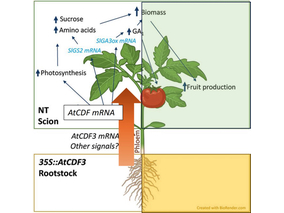
AtCDF3 gene induced greater production of sugars a...
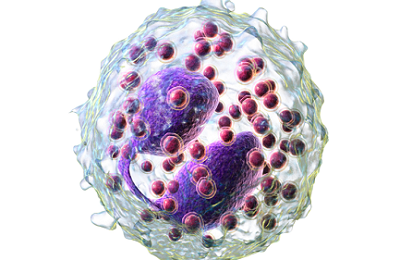
En nuestro post hablamos sobre este interesante tipo de célula del...

A Phase I clinical trial shows that the oncolytic virus VCN-01 can tra...