
In today’s highly regulated biopharmaceutical landscape, ensuring quality, safety, and efficacy across the drug development lifecycle is both a scientific imperative and a regulatory mandate. As therapies become more complex, traditional analytical tools are often challenged by demands for higher specificity, sensitivity, and throughput in quality control (QC) testing. Here, cutting-edge solutions like mass spectrometry (MS) and innovative multi-attribute methods (MAM) become invaluable to organizations pursuing accelerated development timelines and sustainable compliance, particularly when implemented under Good Manufacturing Practice (GMP) standards. This article explores how mass spectrometry services are being applied in drug development, the regulatory and technical considerations involved, and how they enable a more reliable and compliant manufacturing process.
Mass Spectrometry in Drug Development: Core Applications and Benefits
Applications of mass spectometry extend far beyond its original role in molecular weight determination. Today, its use span the entire drug development lifecycle, from discovery and preclinical profiling to GMP release testing and post-market surveillance.
At its core, mass spectrometry in drug testing leverages ionization and mass-to-charge detection to identify and quantify molecules with extraordinary sensitivity and specificity. Whether analyzing small molecules, complex biologics, or impurities, mass spectrometry instrumentation delivers the data depth required to understand and control manufacturing processes.
Some of the most impactful mass spectrometry applications in drug development include:
In drug development, this versatility translates into tangible operational and regulatory advantages. Comprehensive mass spectrometry analysis not only ensures precise identification and quantification of impurities but also strengthens alignment with international standards such as ICH Q6B, Q8, and Q14. The latest LC‑MS and UPLC-MS technologies enable evaluation of multiple critical quality attributes (CQAs) simultaneously within a single run, significantly improving efficiency and analytical depth across workflows previously split between multiple orthogonal tests. In GMP environments, such integration helps accelerate batch release and reduce regulatory risk while maintaining the highest levels of product safety and quality.
The versatility of mass spectrometry instrumentation, including types such as tandem (MS/MS), time-of-flight (TOF), ion trap, and quadrupole systems, makes it a foundational technology for any modern pharmaceutical QC laboratory.
Implementing LC‑MS and UPLC-MS in GMP Environments: Challenges and Regulatory Considerations
Transitioning advanced mass spectrometry services from R&D to GMP-regulated quality control environments presents both challenges and strategic opportunities. Regulatory agencies, such as the US Food and Drugs Administration (FDA) and the European Medicines Agency (EMA), increasingly recognize the multi-attribute method (MAM), an LC‑MS based approach, for its ability to monitor multiple site-specific CQAs in a single method.
However, successful implementation requires addressing the following:
According to ICH Q2(R2) guidelines, analytical procedures must demonstrate accuracy, precision, specificity, linearity, and robustness. For MAM workflows, demonstrating equivalence or superiority to legacy methods is essential.
Ongoing performance verification is critical to ensure reproducibility. This includes monitoring resolution, sensitivity, and calibration across routine runs.
Maintaining the integrity of data generated by the LC-MS is a major challenge. This requires secure access controls, audit trails, and measures to prevent data manipulation, ensuring that results are reliable and defensible. For instance, mass spectrometry data analysis must comply with FDA 21 CFR Part 11 and EU Annex 11.
Installation, operational, and performance qualification (IQ/OQ/PQ) must be documented and maintained for every mass spectrometry machine used in GMP testing.
Despite these challenges, the adoption of LC-MS in regulated QC labs is accelerating, driven by its unmatched specificity and ability to detect subtle product variations that traditional chromatographic or spectroscopic techniques might miss.
Mass Spectrometry Techniques for Monitoring Critical Quality Attributes (CQAs)
A fundamental objective of GMP analytical strategies is the identification, monitoring, and control of critical quality attributes. These are molecular features that directly influence a drug’s safety, efficacy, and stability.
The definition of critical quality attributes is central to drug product development and regulatory success. Mass spectrometry analysis is uniquely suited for this task because it can resolve structural nuances that define product quality at a molecular level.
Among the most powerful approaches currently used are:
These techniques provide actionable insights for process optimization, comparability assessments, and batch-to-batch consistency. Moreover, the evolution of software tools for mass spectrometry data analysis has enabled real-time monitoring and automated trending of CQAs, enhancing both process control and regulatory readiness. As a result, many companies now view mass spectrometry services as a strategic capability, not just an analytical tool.
Adopting state-of-the-art mass spectrometry services can significantly strengthen a company’s compliance posture and accelerate drug development timelines. The right partner brings advanced instrumentation and rigorous validation expertise, but also a strategic vision to align analytical advances with regulatory trends.
At AMSbiopharma, they deliver tailored solutions based on the latest peer-reviewed science and regulatory best practices, supporting pharmaceutical and biopharmaceutical companies in implementing robust, compliant mass spectrometry analysis programs. From expert method development and validation to routine GMP testing and problem solving, they provide the reliability, flexibility, and partnership required to meet evolving quality and compliance goals with the responsiveness and transparency essential to successful collaboration.
Looking for compliant mass spectrometry solutions that drive efficient and reliable drug development? Contact them!
References
Khalikova M, Jireš J, Horáček O, Douša M, Kučera R, Nováková L. What is the role of current mass spectrometry in pharmaceutical analysis? Mass Spectrom Rev. 2024 May-Jun;43(3):560-609. doi: 10.1002/mas.21858
U.S. Food and Drug Administration. Quality considerations for the multi-attribute method (MAM) for therapeutic proteins [Internet]. Silver Spring (MD): FDA; [updated 2022 Oct 13; cited 2025 Oct 13]. Available from: https://www.fda.gov/science-research/fda-grand-rounds/quality-considerations-multi-attribute-method-mam-therapeutic-proteins-10132022
Ren D. Advancing Mass Spectrometry Technology in cGMP Environments. Trends Biotechnol. 2020 Oct;38(10):1051-1053. doi: 10.1016/j.tibtech.2020.06.007
Yang F, Zhang J, Buettner A, Vosika E, Sadek M, Hao Z, Reusch D, Koenig M, Chan W, Bathke A, Pallat H, Lundin V, Kepert JF, Bulau P, Deperalta G, Yu C, Beardsley R, Camilli T, Harris R, Stults J. Mass spectrometry-based multi-attribute method in protein therapeutics product quality monitoring and quality control. MAbs. 2023 Jan-Dec;15(1):2197668. doi: 10.1080/19420862.2023.2197668

La mejor actitud que podemos adoptar es la de trat...

The research team observed changes in head circumf...
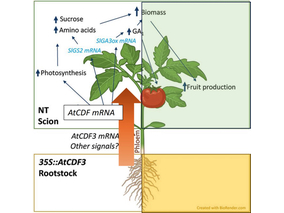
AtCDF3 gene induced greater production of sugars a...

En nuestro post hablamos sobre este interesante tipo de célula del...

New study finds an association between higher temperatures early in li...