Antiplatelet drugs are one of the main tools used to prevent thrombus formation in people who have had a heart attack or stroke or who have cardiovascular diseases with a high thrombotic risk. These treatments work by reducing platelets’ ability to aggregate and form clots that can obstruct the arteries. However, their use also increases the risk of bleeding, a common complication that limits their use in certain patients and remains one of the major challenges in cardiology today.
Now, a study by researchers from the Sant Pau Research Institute (IR Sant Pau) and the Centro de Investigación Biomédica en Red de Enfermedades Cardiovasculares (CIBERCV) identifies a new protein involved in platelet activation that could help advance toward safer antithrombotic therapies. The work, published in the journal European Heart Journal, shows for the first time that the LRP5 protein, known for its role in the WNT signaling pathway, is directly involved in platelet aggregation and in arterial thrombus formation. The relevance of the finding led the same journal to simultaneously publish an independent editorial on new antithrombotic strategies capable of reducing bleeding risk.
“We have observed that both the genetic deletion of LRP5 and its pharmacological inhibition very significantly reduce platelet activation and thrombus formation in preclinical models, but with a much lower bleeding impact than that of classic antiplatelet agents such as aspirin or clopidogrel,” highlights Dr. Maria Borrell-Pages, researcher in the Molecular Pathology and Therapeutics of Atherothrombotic and Ischemic Diseases group at IR Sant Pau and CIBERCV and corresponding author of the study.
A New Pathway Involved in Thrombus Formation
To study the role of LRP5 in platelet activation, the researchers combined murine models deficient in this protein with experiments in human blood and platelets. The analyses showed that the absence of LRP5 significantly reduces platelets’ ability to adhere to collagen and aggregate after stimulation with ADP and collagen, two of the main mechanisms involved in thrombus formation.
One of the most relevant results was observed in experimental models of arterial thrombosis. While normal animals developed complete occlusion of the carotid artery in approximately 21 minutes, LRP5-deficient mice did not fully block the vessel during the 30 minutes of the experiment. In addition, the researchers observed lower deposition of platelets and fibrinogen on the vascular wall, reinforcing the antithrombotic effect associated with LRP5 inhibition.
“What we see is that LRP5 participates in central mechanisms of platelet activation and communication,” explains Dr. Maria Borrell-Pages. “Inhibiting this protein alters key processes needed to stabilize and amplify thrombus formation.”
Experiments performed with human blood showed similar results. Pharmacological inhibition of LRP5 reduced both platelet aggregation and thrombus formation under high-flow conditions, reproducing the behavior observed in animal models.
In addition, the impact on bleeding was clearly lower than that observed with classic antiplatelet agents. In animal models, bleeding time was much lower than that recorded after treatment with acetylsalicylic acid or clopidogrel, reinforcing the potential of LRP5 as a new therapeutic target for developing safer antithrombotic strategies.
Direct Interaction With the P2Y12 Receptor
Another of the study’s most important findings is the identification of a direct interaction between LRP5 and the platelet P2Y12 receptor, one of the main therapeutic targets of the antiplatelet agents currently used in patients with cardiovascular risk. Drugs such as clopidogrel, prasugrel, and ticagrelor act precisely by blocking this receptor to prevent platelet activation and aggregation.
The experiments performed by the IR Sant Pau and CIBERCV teams showed that LRP5 helps regulate P2Y12 function during platelet activation. The researchers observed that when LRP5 is blocked or absent, P2Y12 loses part of its ability to transmit the signals that activate and aggregate platelets, which significantly reduces thrombus formation.
In addition, LRP5-deficient platelets showed alterations in the release of molecules stored in their granules, a process needed to amplify thrombus formation. The researchers detected lower release of serotonin and proteins associated with platelet activation, as well as changes in the phosphorylation of VASP, a functional marker closely related to P2Y12 activity.
“This tells us that LRP5 acts as a key regulator of the platelet response,” explains Dr. Maria Borrell-Pages. “We are not directly blocking the classic coagulation mechanisms, but rather modulating processes that help amplify and stabilize thrombus formation.” The researcher adds that this finding opens up a new line of research in thrombosis: “The possibility of acting on regulatory proteins involved in platelet activation, and not only on classic receptors, could help develop more selective therapies in the future that are potentially safer.”
Toward Safer Antithrombotic Therapies
The authors stress that the work is still at a preclinical stage and that further research will be needed before these findings can be translated into clinical practice. LRP5 participates in multiple physiological functions, including cardiovascular, neuronal, and bone metabolism processes, which means that future therapeutic developments will need to seek selective strategies specifically targeting platelets.
Even so, the study positions LRP5 as a new potential therapeutic target in thrombosis and provides a new approach to trying to reduce one of the main problems associated with current antiplatelet treatments: bleeding risk. In clinical practice, many patients with high cardiovascular risk require prolonged treatments to prevent new thrombotic events, but the increased risk of bleeding sometimes limits their use or therapeutic intensity.
The possibility of slowing thrombus formation without significantly altering physiological hemostasis is precisely one of the main goals of current cardiovascular research. The relevance of this approach was highlighted by the European Heart Journal itself. It accompanied the publication of the study with an independent editorial focused on the development of new antithrombotic strategies capable of reducing the bleeding risk associated with conventional treatments.
“Our work opens up a new pathway to explore potentially more selective and safer antithrombotic treatments,” concludes Dr. Maria Borrell-Pages. “Although we are still at an experimental stage, identifying regulatory mechanisms of platelet activation such as LRP5 can help us develop more precise therapies in the future.”
Reference Article:

La mejor actitud que podemos adoptar es la de trat...

The research team observed changes in head circumf...
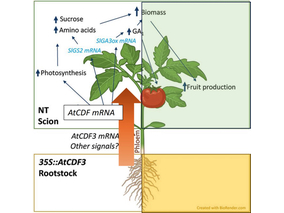
AtCDF3 gene induced greater production of sugars a...
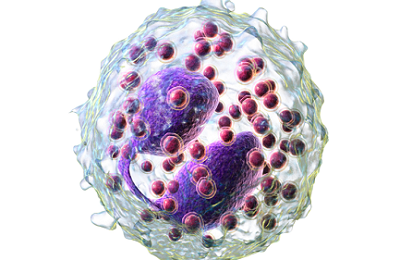
En nuestro post hablamos sobre este interesante tipo de célula del...
Un estudio del Instituto de Neurociencias (CSIC-UMH) muestra en modelo...