
Clinical trials are the cornerstone of evidence-based medicine, yet a remarkable proportion of them fail not because the science is wrong, but because participants do not stay.
Retention failure, the attrition of enrolled subjects before a trial concludes, is one of the most persistent and costly problems in clinical research. Analyses of large trial registries consistently show that poor patient accrual is the leading cause of premature trial termination, accounting for roughly one-quarter to more than half of discontinued trials depending on therapeutic area [1] [2] [3].
Even trials that successfully reach their enrollment targets face a separate and underappreciated challenge of substantial medication discontinuation among enrolled participants. This problem is not confined to any single disease area: discontinuation rates among enrolled patients range from approximately 23–29% in completed cardiovascular outcome trials of shorter duration [4] [5] to 47–51% in longer cardiovascular trials [6] [7] to 74% in major psychiatric trials [8]. These rates persist regardless of whether the trial met its enrollment goals.
Despite the scale of this problem, retention has historically been addressed as an operational challenge such as a scheduling issue, a reminder call, or a small stipend adjustment. The emerging research tells a different story. Retention is fundamentally an experience problem. Participants who feel respected, informed, and genuinely cared for by trial staff stay. Those who feel like data points do not.
This white paper synthesizes current evidence on why subjects leave clinical trials and proposes actionable, evidence-informed strategies to improve retention by treating the subject experience as a core design priority rather than an afterthought.
1. The Scale of the Problem
The operational and scientific costs of retention failure are substantial. In a systematic analysis of over 88,000 clinical trials registered on ClinicalTrials.gov, more than 11% of nonsurgical trials and nearly 16% of surgical trials were prematurely discontinued with poor recruitment and dropout as the leading reasons cited [2].
The pattern is not confined to US trials. UK investigators synthesized evidence on retention strategies and documented attrition as a routine feature of trial conduct, with dropout rates varying widely by disease area, trial duration, and follow-up demands [9]. The central finding is striking: despite decades of effort, the evidence base for interventions that reliably reduce participant dropout remains thin, and the problem is structurally similar across health systems.
In long-duration trials, medication discontinuation compounds the problem even when subjects nominally remain enrolled. A 2019 analysis of IMPROVE-IT cardiovascular outcomes trial found that 46.7% of participants had discontinued study medication before the trial ended with the highest rates observed in the United States, and among women, non-white participants, and smokers.
This was substantiated in an analysis of the TIMI Study Group trial database of 11 Phase 3 & 4 cardiovascular outcome trials published after 2000 with a pooled population of >187,000 patients. These patterns are not random; they reflect structural inequities in who bears the burden of trial participation and who receives the least support during it.
Beyond the lost science, premature discontinuation carries ethical weight. When participants who have already accepted personal risk and inconvenience leave before a trial concludes, their contribution cannot be fully utilized, and the research question often remains unanswered [3]. This represents harm to individual participants and a waste of public and private investment that the research community has been slow to take seriously.
Retention is fundamentally an experience problem. Participants who feel respected, informed, and genuinely cared for by trial staff stay. Those who feel like data points do not.
2. Why Participants Leave
Qualitative and quantitative research has now produced a reasonably clear picture of the factors that drive participants to withdraw from clinical trials. These factors operate across three domains: design, logistics, and relationships.
2.1 Design-Level Factors
Many retention problems are built into trials before a single participant is enrolled. Eligibility criteria that are too narrow reduce the pool to a highly selected population that may not be representative of real-world patients with the disease.
Overoptimistic recruitment estimates, a frequently cited finding in qualitative studies of discontinued trials, lead to trials that are understaffed, underfunded, and ill-prepared to support participants through the full duration. Complex protocols with excessive visit requirements, invasive procedures, or demanding time commitments are consistently identified as deterrents to both initial enrollment and continued participation [3].
An underappreciated design failure is the absence of patient input in protocol development. Stakeholder interview studies have identified lack of patient engagement in tri

La mejor actitud que podemos adoptar es la de trat...

The research team observed changes in head circumf...
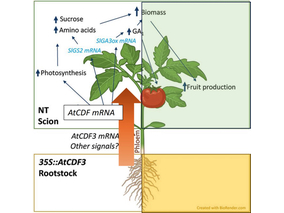
AtCDF3 gene induced greater production of sugars a...

En nuestro post hablamos sobre este interesante tipo de célula del...

New study finds an association between higher temperatures early in li...