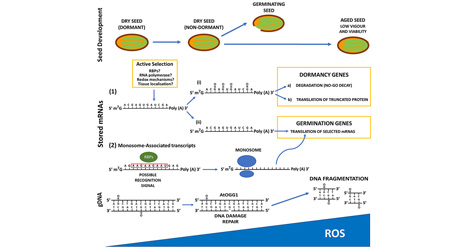
The seed is the propagule of higher plants and allows the dissemination and the survival of the species. Seed dormancy prevents premature germination under favourable conditions. Dormant seeds are only able to germinate in a narrow range of conditions. During after-ripening (AR), a mechanism of dormancy release, seeds gradually lose dormancy through a period of dry storage. This review is mainly focused on how chemical modifications of mRNA and genomic DNA, such as oxidation and methylation, affect gene expression during late stages of seed development, especially during dormancy and afer-ripening. The biological significance of nucleic acid oxidation and methylation upon seed development is discussed.
Original Paper:
Katsuya-Gaviria, K., Caro, E., Carrillo-Barral, N., Iglesias-Fernández, R. 2020. Reactive Oxygen Species (ROS) and Nucleic Acid Modifications During Seed Dormancy. Plants 9, 679. DOI: 10.3390/plants9060679

La mejor actitud que podemos adoptar es la de trat...

The research team observed changes in head circumf...
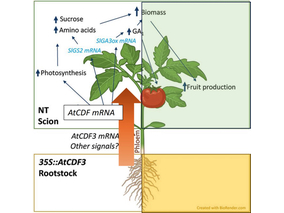
AtCDF3 gene induced greater production of sugars a...

En nuestro post hablamos sobre este interesante tipo de célula del...

New study finds an association between higher temperatures early in li...