The United States continues to be the global leader in the biotechnology market, with a 58% share and more than 6,600 companies focused mainly on the development of new oncological, cardiovascular, and neurological therapies. Although funding fell in 2022 and 2023 due to factors such as the war in Ukraine and rising interest rates, the sector has shown great adaptability and continues to grow.
It is companies with products in advanced stages or in commercialization that continue to attract capital. However, startups face greater financing barriers within this ecosystem of persistent inflation and high interest rates.
Public funding, especially from the NIH, continues to grow and reached a record high in 2023 ($47.7 billion), with a forecast of $48.6 billion in 2024. At the private level, venture capital investment fell by 19%, with Boston, San Francisco, and San Diego as the main hubs. Mergers and acquisitions rebounded strongly, led by deals such as Pfizer's purchase of Seagen.
On the regulatory front, the FDA approved 55 new drugs in 2023, more than half of which were for rare diseases. Mechanisms such as the Accelerated Approval Pathway were strengthened, and new initiatives were introduced to accelerate the market entry of innovative therapies, such as the Accelerating Rare Diseases Cure (ARC) program, which seeks to reduce timelines and facilitate the development of drugs targeting diseases with high medical need. The FDA is taking steps toward a clearer framework for technologies such as advanced manufacturing, artificial intelligence, and digital prescription software.
The United States leads not only in terms of volume, but also in its ability to incorporate cutting-edge technologies into all phases of biotechnology development. Among these, the following stand out:
- Organ-on-a-chip technology, which allows human functions to be simulated in miniaturized devices and promises to reduce development times and costs.
- RNA-based therapies continue to advance, with new products being approved, although they still face technical challenges related to their stability and effective administration.
- Artificial intelligence is being incorporated from the early stages of R&D and expanding its application to areas such as production optimization, personalized diagnostics, toxicological analysis, patient selection, and many other key areas.
Despite a challenging economic environment, the US continues to set the global standard in biotechnology. If your company is ready to expand into the US market, ICEX can offer you the support and advice you need to make the most of the opportunities offered by this leading market.
Source: Biotechnology in the US 2024: Recent developments and outlook.pdf

La mejor actitud que podemos adoptar es la de trat...

The research team observed changes in head circumf...
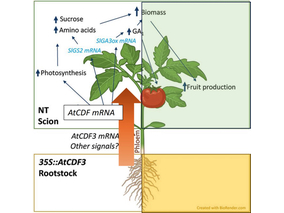
AtCDF3 gene induced greater production of sugars a...
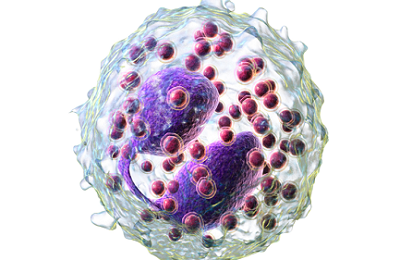
En nuestro post hablamos sobre este interesante tipo de célula del...

New study finds an association between higher temperatures early in li...