
Advanced therapies, encompassing gene treatments, cell-based therapies, and tissue-engineered products, have marked a turning point in modern medicine. These innovations offer solutions for severe diseases, many of which previously had no treatment, and open the door to more personalized and effective healthcare. However, alongside this promise arise ethical questions that cannot be ignored if we aim to ensure responsible and sustainable development.
On one hand, equitable access becomes one of the greatest challenges. The high cost and technical complexity of these therapies limit their availability, creating a gap between those who can access them and those who are excluded. This inequality is amplified in countries with fewer resources, where innovation risks becoming a privilege. To prevent this, it is essential to promote funding policies, public-private partnerships, and outcome-based payment models that help democratize access.
Adding to this issue is the difficulty of guaranteeing truly informed consent. The science behind these therapies is complex, and it is not always easy to explain to patients the risks, benefits, and potential long-term effects. This requires an additional effort in clear, adapted, and transparent communication that enables conscious and responsible decision-making.
Furthermore, uncertainty regarding safety and long-term effects makes it necessary to establish extended follow-up protocols and robust regulatory systems. Public trust depends on transparency in reporting results and on mechanisms that ensure patient protection even years after treatment.
On the other hand, we encounter dilemmas related to genetic manipulation and data protection. The ability to edit genes raises questions about ethical boundaries: Is it acceptable to modify germline cells that will affect future generations? How can we prevent these technologies from being used for non-therapeutic purposes, such as enhancing physical or cognitive traits?
The scientific community and regulatory bodies must work together to define clear ethical frameworks that prioritize health and human dignity. Added to this is the management of genetic and clinical information, which requires strict security measures to comply with regulations such as GDPR and guarantee patient privacy. The risk of leaks or misuse of sensitive data is real and must be addressed with robust systems and protection protocols. Finally, the economic impact cannot be overlooked: the high cost of these therapies strains healthcare budgets and raises the dilemma of how to balance innovation with sustainability. Economic evaluation, outcome-based payment models, and international cooperation are key strategies to tackle this challenge without compromising equity.
The role of CROs in this context
In this scenario, Contract Research Organizations (CROs) play an essential role. From the design of clinical trials to regulatory management, CROs ensure that every stage of development meets the highest ethical standards. At Sermes CRO, they work to guarantee transparency, data protection, and respect for patients’ rights, contributing to the safe and responsible advancement of innovation. Their commitment includes implementing processes that facilitate informed consent, proper information management, and collaboration with ethics committees and regulatory authorities to ensure that every project is carried out under principles of integrity and scientific rigor.
Advanced therapies represent a unique opportunity to transform medicine and improve the quality of life for millions of people. But this opportunity comes with responsibilities that cannot be avoided. Only through collaboration among researchers, regulators, companies, and society can we ensure that these technologies are developed with fairness, safety, and respect for human values. The future of medicine depends not only on scientific innovation but also on our ability to manage its ethical implications with vision and commitment.

La mejor actitud que podemos adoptar es la de trat...

The research team observed changes in head circumf...
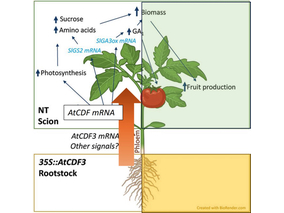
AtCDF3 gene induced greater production of sugars a...
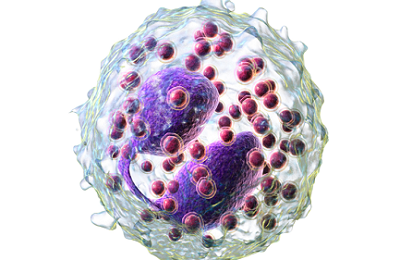
En nuestro post hablamos sobre este interesante tipo de célula del...

New study finds an association between higher temperatures early in li...