On the occasion of World Pneumonia Day, we interviewed Juanjo Infante, CEO of Vaxdyn, a biotech company developing the K-Vax vaccine candidate against Klebsiella pneumoniae, which is responsible for o...
Read more
Conversely, women tolerate it better than men, according to a multicenter study led by Hospital del Mar and its research institute, published in the Journal of Cardiothoracic and Vascular Anesthesia. ...
Read more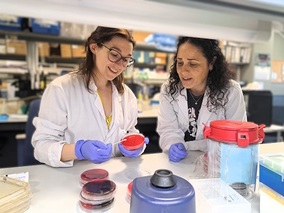
Una investigación del Instituto de Biomedicina de Sevilla (IBiS) desarrolla un enfoque innovador basado en la transferencia adoptiva de células de memoria para combatir infecciones por Acinetobacter...
Read more
The tool generates a report from an MRI that indicates whether patients could develop prostate cancer. The project has loaded on 3.7 million medical images of more than 9,000 patients
Read more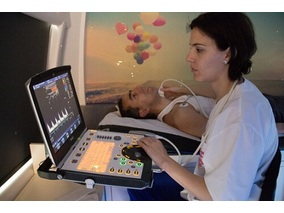
The study, which included 3,097 participants, showed that a healthy Mediterranean diet, rich in nuts, vegetables, fish and olive oil, was associated with a significant reduction in atherosclerotic pla...
Read more
A study by CNIC, published in Science Advances, offers a new approach to understanding how cells respond to mechanical signals from their environment, redefining the comprehension of the relationship ...
Read more
The IRB Barcelona spin-off Gate2Brain has reached a major milestone in the fight against pediatric brain tumors by obtaining Orphan Drug Designation (ODD) from the European Medicines Agency (EMA) for ...
Read more
Erika Pineda, investigadora en el Instituto IDM, recibe una ayuda postdoctoral Marie Curie para un proyecto que busca mejorar el tratamiento del cáncer de mama
Read more
Researchers from Hospital Clínic-IDIBAPS have coordinated a study comparing the efficacy of artificial intelligence-assisted colonoscopy versus high-definition white-light colonoscopy in the detectio...
Read more
The research, published in the scientific journal European Journal of Human Genetics, has been enabled by SolveRD, a project funded by the European Commission, in which Hospital Sant Joan de Déu a...
Read more
New research has found that people with a genetic defect in how their digestion works eat less cake, sweets and chocolate, which could hold the key to helping the wider population to eat less sugar.
Read more
A study from the CNIC, published in Nature Communications, reveals how caveolae allow adipocytes to expand safely, storing fat without breaking or causing inflammation
Read more
La mejor actitud que podemos adoptar es la de trat...

The research team observed changes in head circumf...
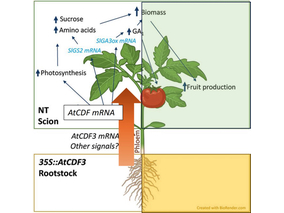
AtCDF3 gene induced greater production of sugars a...
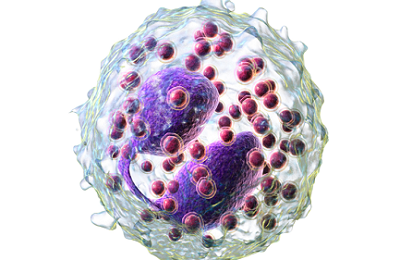
En nuestro post hablamos sobre este interesante tipo de célula del...

Gate2Brain signs a strategic partnership with Shilpa Biocare, includin...