
The international team of researchers led by Chiara Zurzolo, from the Membrane Trafficking and Pathogenesis Unit of the Institut Pasteur, in collaboration with the Stem Cells and Neurodegeneration group of Bellvitge Biomedical Research Institute (IDIBELL) and the Faculty of Medicine and Health Sciences of the University of Barcelona has shed light on the mechanisms that allow Parkinson’s disease to spread in the brain. The work, recently published in Nature Communications, opens new avenues for the development of therapeutic strategies aimed at slowing the spread of the pathology.
The study focuses on synucleinopathies, including Parkinson’s, a group of neurodegenerative diseases characterized by the abnormal accumulation of the protein alpha-synuclein (α-Syn) in the brain. These accumulations form toxic aggregates that damage neurons and contribute to the progressive deterioration of the nervous system.
Nanotubes: communication bridges between brain cells
The researchers have delved into the role of so-called tunneling nanotubes (TNTs), membranous structures that connect cells to each other and allow the exchange of cellular material.
These structures were first identified by the Institut Pasteur team in 2009 as pathways for the spread of pathogenic proteins. In 2023, the same researchers further demonstrated that TNTs enable the transfer of toxic α-synuclein aggregates from diseased neurons to microglia, the brain’s immune cells, revealing a direct communication pathway between these cell populations. Although this identified a functional connection between neurons and microglia, the molecular mechanisms driving this communication remained unknown.
The key role of mitochondria and innate immunity
The new study recently published in Nature Communications offers an answer. According to the study, α-Syn aggregates damage mitochondria, the cell’s “powerhouse.” This damage leads to the release of mitochondrial DNA inside the cell, which activates an innate immunity defense pathway known as the cGAS–STING pathway.
This pathway acts as a major trigger for the formation of nanotubes. It remodels the actin cytoskeleton — the internal scaffold that controls cell shape and membrane dynamics — thereby promoting the formation of tunneling nanotubes, which act as communication channels between cells.
Through these connections, neurons can transfer toxic protein aggregates to microglia, potentially contributing to the spread of pathology. The scientists also showed that damaged neurons transfer dysfunctional mitochondria to microglia, where they are eliminated. While this process may initially represent a protective response, it also triggers inflammatory reactions in microglia that could contribute to disease progression.
Factors that cause disease, not just symptoms
These findings change our understanding of Parkinson’s disease, suggesting that mitochondrial damage and inflammation are not just consequences of the disease, but may actively contribute to the progression of the disease.
In addition, membrane nanotubes also emerge as central actors in this cellular communication. Although they can contribute to the elimination of damaged cellular components, they can also promote the spread of toxic aggregates and inflammatory signals in the brain. Developing a better understanding of these mechanisms and learning how to modulate them could pave the way for new therapeutic strategies that slow the progression of synucleinopathies.
Image: Membrane Trafficking and Pathogenesis Unit of the Institut Pasteur

La mejor actitud que podemos adoptar es la de trat...

The research team observed changes in head circumf...
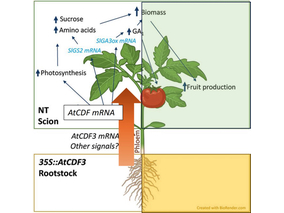
AtCDF3 gene induced greater production of sugars a...
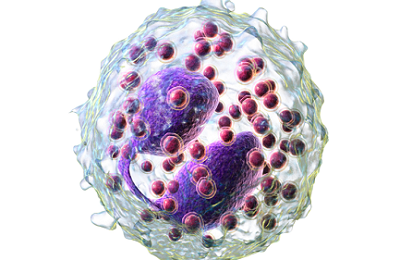
En nuestro post hablamos sobre este interesante tipo de célula del...

New study finds an association between higher temperatures early in li...