Ion Exchange Chromatography (IEX) is a core separation technique in downstream bioprocessing. In monoclonal antibody (mAb) purification, IEX is widely applied in intermediate and polishing stages to remove host cell proteins (HCPs), DNA, aggregates and charge variants.
Recent scientific reviews confirm that IEX remains essential in both analytical and preparative workflows for antibody purification (Deol et al., 2025).
FUNDAMENTAL PRINCIPLES OF ION EXCHANGE CHROMATOGRAPHYIEX relies on reversible electrostatic interactions between charged ligands immobilized on agarose beads and oppositely charged regions on protein surfaces.
Binding behavior depends on:
Cation vs. Anion Exchange Chromatography
Elution is typically achieved via salt gradients or controlled pH shifts.
Agarose beads are widely used in biopharmaceutical chromatography due to:
Structural and Mechanical Properties
Crosslinked agarose matrices provide:
Optimized crosslinking improves scalability and NaOH resistance for industrial cleaning protocols.
Beyond pI — The Role of Surface Charge Distribution
While protein isoelectric point (pI) is traditionally used in IEX method development, it does not fully predict chromatographic behavior.
Tournois et al. (2021) demonstrated that surface charge distribution strongly influences protein adsorption in ion exchange systems. Localized charge clusters can create preferential interaction zones, impacting retention time, selectivity and even multilayer adsorption.
This understanding is particularly relevant for monoclonal antibodies, where minor structural modifications generate subtle charge variants.
Why Choose ABT Agarose Beads for Efficient Protein Purification
At ABT, our agarose beads are engineered to provide consistency, high binding capacity, and versatility for ion exchange chromatography and other protein purification applications. Their uniform structure and chemical stability allow for optimized processes, improved resolution of charge variants, and reproducible results from analytical stages to industrial-scale production.
With ABT beads, research and manufacturing teams can rely on a support material that maximizes separation efficiency, facilitating the development of innovative therapies and high-quality biopharmaceutical products.
By Agarose Bead Technologies

La mejor actitud que podemos adoptar es la de trat...

El equipo de investigadores observó cambios en el...
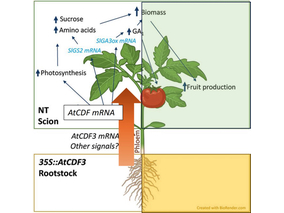
El gen AtCDF3 promueve una mayor producción de az...
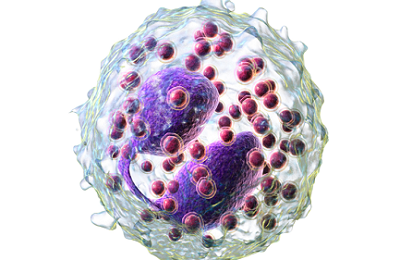
En nuestro post hablamos sobre este interesante tipo de célula del si...
Curapath se complace en reconocer el importante avance logrado por Mac...