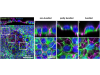
The rise in obesity has led to an increase in metabolic diseases such as type 2 diabetes, dyslipidemia, and non-alcoholic fatty liver disease (NAFLD). The latter is the leading cause of chronic liver disease in Western countries, ranging from fat accumulation in the liver (hepatosteatosis) to a more advanced form called non-alcoholic steatohepatitis (NASH). Although there are no specific pharmacological treatments for NAFLD, treatments affecting body weight and glucose control have been investigated because obesity is a significant risk factor.
The mentioned article investigates how suppression of the Mat1a gene, involved in the methionine cycle, may have beneficial effects on brown adipose tissue metabolism and function, possibly through modulation of catecholamines and their role in thermogenesis. By understanding how catecholamines and BAT are affected in the context of obesity and NAFLD, new therapeutic strategies can be identified to address these metabolic conditions.
Continue reading in the blog.

La mejor actitud que podemos adoptar es la de trat...

The research team observed changes in head circumf...
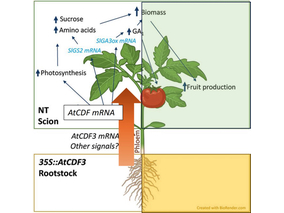
AtCDF3 gene induced greater production of sugars a...
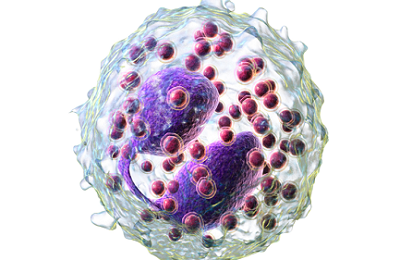
En nuestro post hablamos sobre este interesante tipo de célula del...
El trabajo del Centro de Investigación del Cáncer (CSIC-USAL) demues...