The carcinogenic potential of processed meat has long been well established. It is classified as carcinogenic to humans by the International Agency for Research on Cancer (IARC), with strong epidemiological evidence linking its regular consumption to a significantly increased risk of colorectal cancer. However, the new research provides large-scale data that broadens the scope of evidence to other cancer types: according to the results, for every additional 30 grams of processed meat consumed per day, the risk of gastric adenocarcinoma increases by 9% and that of esophageal adenocarcinoma by 13%.
These are the conclusions reached by the new European study led by the Nutrition and Cancer research group of IDIBELL-ICO, recently published in the International Journal of Cancer. The study is based on data from the EPIC (European Prospective Investigation into Cancer and Nutrition) cohort, one of the world’s largest prospective studies on nutrition and cancer, with more than 450,000 European participants and an average follow-up period exceeding 14 years.
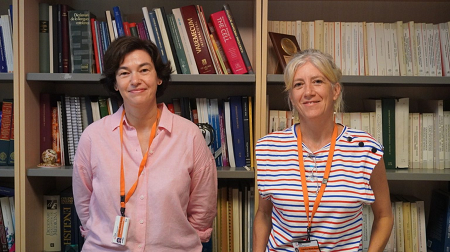
“These results expand the available evidence on the relationship between diet and cancer risk and therefore highlight the importance of diet in the prevention of this disease,” explains Dr. Paula Jakszyn, director of the study. “The generation of this type of evidence helps improve the existing knowledge base in the field of primary prevention and provides relevant information to guide future public health recommendations,” she adds.
Processed meat and cancer: new evidence in digestive tumors
Depending on its origin and processing, meat can be classified into three main groups. Red meat includes meat from mammals such as beef, pork, or lamb. White meat mainly refers to birds such as chicken or turkey. On the other hand, processed meat is that which has been modified, either to enhance its flavor or prolong its preservation, through processes such as curing, smoking, salting or adding preservatives. Thus, when we talk about processed meat, we are referring to products such as sausages, ham, or bacon, among others. These differences are relevant, since both nutritional composition and processing methods affect health differently.
This is reflected in the results of the study. Although no significant association has been found between red meat consumption and the overall risk of gastric or esophageal cancer, a higher intake of processed meat has been found to be associated with an increased risk of developing gastric cancer and esophageal adenocarcinoma. The association is especially notable in the case of gastric bowel cancer, one of the main subtypes of the disease. The analysis by tumor subtypes and anatomical location – one of the strengths of the work – has showed that this association was consistent across different forms of the disease.
In addition, other findings were observed that will require confirmation, including a possible association between white meat consumption and gastric cancer risk in certain subgroups, particularly among women.
In line with public health recommendations
These findings align with existing knowledge. The World Health Organization (WHO) points out that the consumption of processed meat is linked to an increased risk of certain types of cancer, although the individual risk is relatively low and depends on the amount consumed.
For this reason, public health authorities recommend moderating processed meat consumption and placing it within the context of an overall healthy dietary pattern. Along the same lines, in Catalonia, recommendations encourage limiting the frequency of processed meat consumption and prioritizing fresh and plant-based foods. “The overall risk depends on diet and lifestyle as a whole, which include other equally important factors, not just individual consumption of processed meat. We must be cautious and always prioritize a balanced and varied diet,” says Dr. Paula Jakszyn, researcher at IDIBELL and ICO.
Thus, this study provides new evidence in a key field of public health and reinforces the role of diet as a modifiable factor in cancer prevention. The researchers emphasize that “through ongoing research, we will continue to investigate the relationship observed in our study to better understand the mechanisms involved and the differences between individuals,” concludes Catalina Bonet, researcher at IDIBELL and ICO and first author of the study.

La mejor actitud que podemos adoptar es la de trat...

The research team observed changes in head circumf...
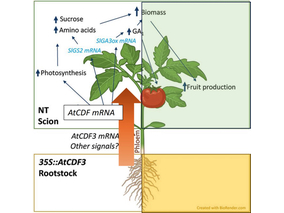
AtCDF3 gene induced greater production of sugars a...
En nuestro post hablamos sobre este interesante tipo de célula del...

La Universidad Politécnica de Madrid ha participado en un estudio int...