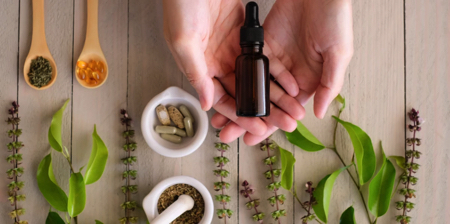
Therapies with medical plants are practices that use the healing properties of plants to treat various illnesses and promote general well-being. Their use dates back to prehistoric times. The earliest evidence is found in ancient texts from civilisations such as Egypt, China, India and Greece. In Egypt, for example, the Ebers Papyrus, dating from around 1550 BC, documents hundreds of herbal remedies. In China, traditional Chinese medicine has used plants such as ginseng and ginger for millennia. In India, Ayurveda, one of the oldest forms of holistic medicine, also bases its philosophy on the use of medicinal plants. This traditional medicine is still in use today in many of these countries, as is, for example, the traditional indigenous medicine of the shamans in the Amazon.
Over the centuries, knowledge about medicinal plants has been passed down from generation to generation, eventually becoming integrated into modern medicine. In fact, the pharmaceutical industry has its origins in these medicinal plant therapies when apothecaries and alchemists began to isolate the active principles of these plants, identifying the specific compounds responsible for their therapeutic effects. This process of extraction, isolation, characterisation and subsequent synthesis of these natural compounds, such as morphine from opium or salicylic acid from willow bark, laid the foundations of modern pharmacology and the pharmaceutical industry.
But the development of the pharmaceutical industry has not replaced the use of medicinal products based on medicinal plants, instead has complemented it with the isolation and commercialisation of some of their active ingredients. Medicinal plants are still relevant today and have experienced a renaissance, driven by a growing demand for natural and holistic alternatives to conventional medicine. Modern scientific research has validated many of the healing properties of plants used since ancient times, framed for commercialisation within a regulatory framework that ensures they can be used safely and effectively in healthcare.
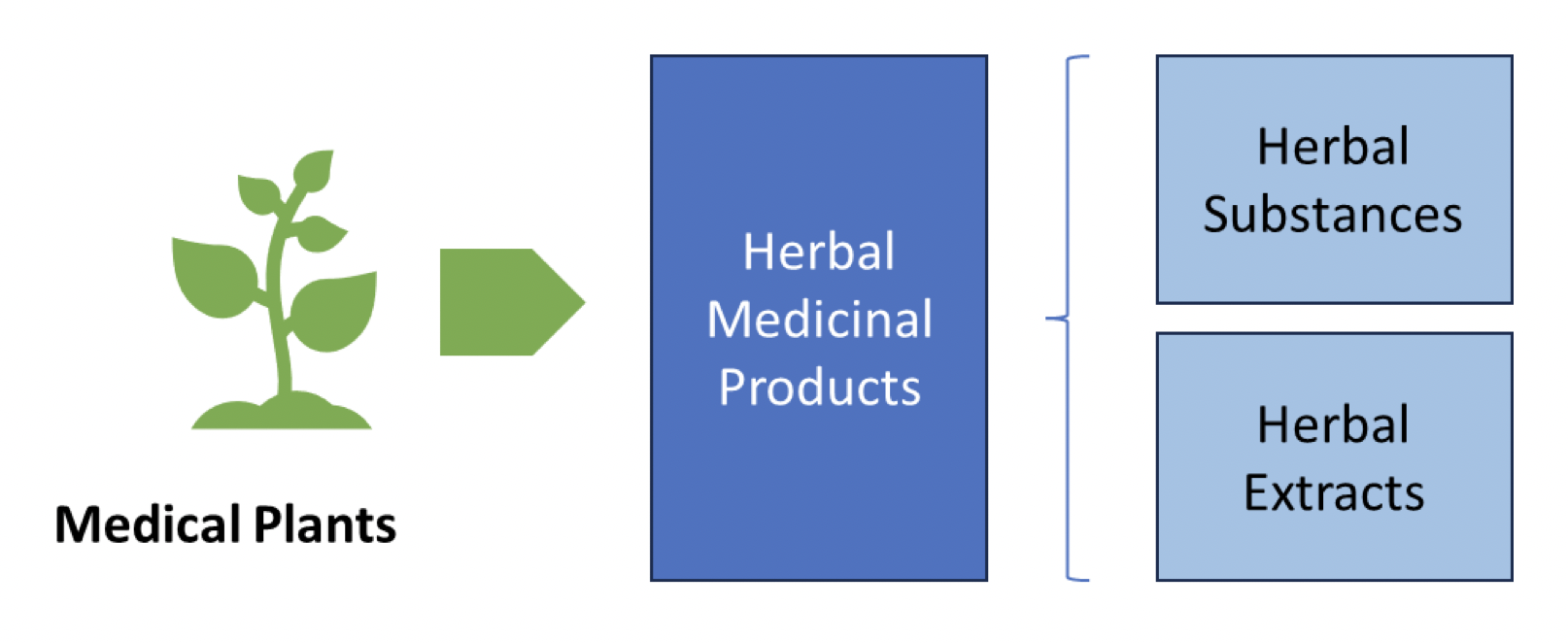
Medicinal plants are therefore those plants that traditionally have therapeutic properties. These plants are used for the production of herbal medicinal products, which according to the EMA (European Medicines Agency) are defined as medicinal products containing, as active ingredients, exclusively herbal substances or herbal extracts. Herbal substances may include whole, fragmented or cut plants, plant parts, algae, fungi or lichens in an unprocessed state, usually in dried form, but sometimes fresh. In contrast, herbal extracts are obtained by subjecting these substances to various processes such as extraction, distillation, fractionation, purification, concentration or fermentation.
Herbal medicinal products are regulated in Europe on the basis of their intended use, safety and efficacy through the Herbal Medicinal Products Committee (HMPC), which issues scientific opinions on herbal substances and their extracts, recommending safe uses and conditions for their application. To be authorised for marketing, these products must meet strict quality standards, similar to those applied to conventional medicines.
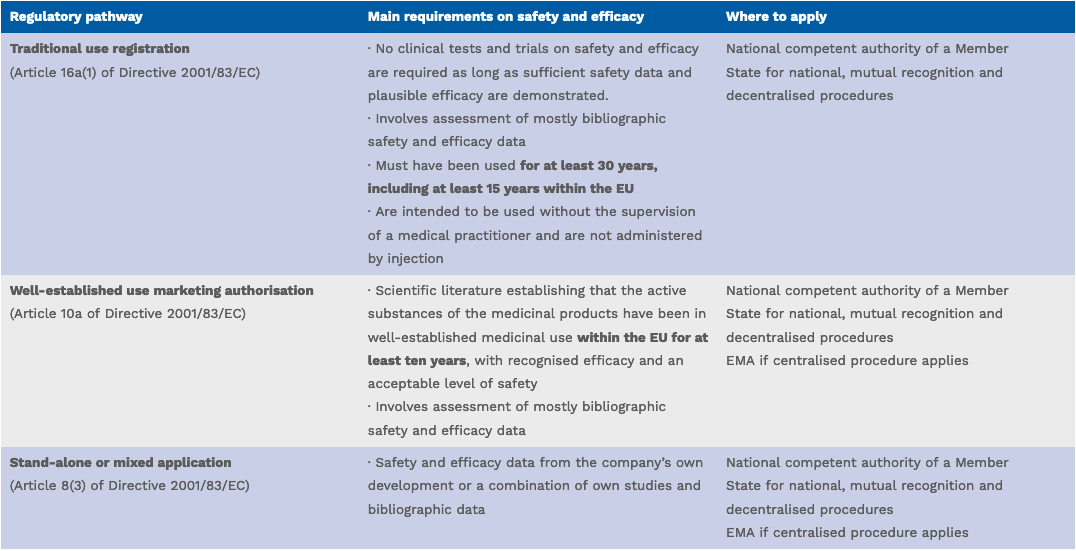
There are three main regulatory pathways to market herbal medicinal products in EU Member States. The requirements and the entity to apply to are listed below:
To support the development, evaluation and authorisation of herbal medicinal products on the European market, the monographs or guidelines published by the EMA are very useful. These provide a uniform reference on the therapeutic use and safety conditions of existing herbal substances and preparations. And of course, not to forget the European Pharmacopoeia (Ph. Eur.) as the main source of quality standards for the validation of existing ingredients in Europe in the field of medicinal products, including those based on plants or herbal extracts.
The advantages of herbal medicinal products are that being natural products, when used correctly, they tend to have fewer side effects compared to synthetic medicinal products. In addition, they can be used alone or in addition to conventional therapies, but their use should always be assessed by a health professional.

La mejor actitud que podemos adoptar es la de trat...

The research team observed changes in head circumf...
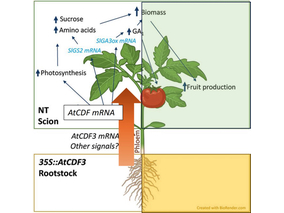
AtCDF3 gene induced greater production of sugars a...
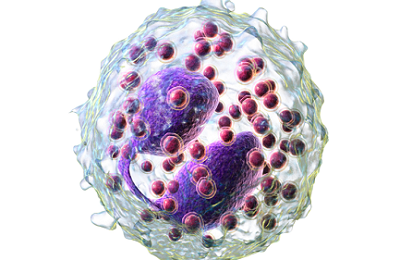
En nuestro post hablamos sobre este interesante tipo de célula del...
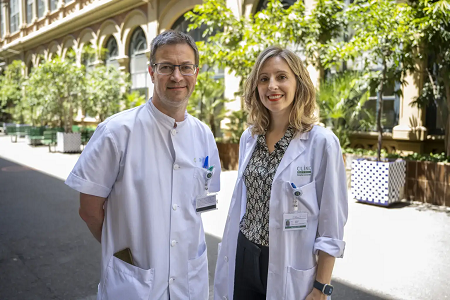
A paper published in Alzheimer’s & Dementia: The Journal of the Alzh...