How to Achieve Reliable qPCR Results in Inhibitor-rich and Microbial DNA Samples
Takyon® Ultra and Takyon® Etheris are designed to improve qPCR robustness in inhibitor-rich and microbial DNA samples. These Master Mixes support consistent amplification while maintaining high sensitivity and specificity.
Takyon® Ultra for DNA and RNA Detection: Tolerance to Inhibitors
Takyon® Ultra Probe 4X delivers high sensitivity and specificity, with demonstrated superior resistance to common qPCR inhibitors compared to other specialized commercial mixes.
Benchmarking in presence of heparin confirms its robustness - Takyon® Ultra maintains efficient amplification and consistent Ct values even at increasing inhibitor concentrations, unlike the competitor reagents.

a. Amplification curves for the 18S rDNA target obtained in duplex qPCR assays using Takyon® Ultra (orange) or a competitor mix (blue), across samples containing increasing heparin concentrations (0–4 IU/mL).
b. Mean Ct values generated with Takyon® Ultra qPCR Master Mix and the competitor mix under identical duplex conditions. Each 18S rDNA reaction was performed in triplicate in the presence of 0–4 IU/mL heparin.
Key benefits:
For which type of assay?
Takyon® Etheris for Probe and SYBR® Assays: Ideal for Microbial DNA Detection
Takyon® Etheris are 2X Master Mixes specifically developed for bacterial DNA detection and other applications requiring high robustness and purity - ensuring very low background from E. coli DNA.
Takyon® Etheris Probe shows superior sensitivity and cleaner amplification profiles than a specialized competitor mix that displays some signals in the no-template control (unlike Takyon Etheris.)

a. Amplification plots showing qPCR reactions performed with or without 500 pg of E. coli gDNA 23S using either Takyon® Etheris Probe (orange) or a competitor mix (blue). Each reaction was run in triplicate following the manufacturer’s respective protocols.
b. Average Cq values from triplicate reactions targeting E. coli 23S rDNA, obtained with Takyon® Etheris Probe qPCR Master Mix (orange) and a competitor kit (blue), with or without 500 pg of gDNA template (NTC).
Key benefits:
Furthermore, the probe version shows common features to the Ultra: inhibitor tolerance and is an ideal choice for multiplexing.
For which type of assay?

La mejor actitud que podemos adoptar es la de trat...

The research team observed changes in head circumf...
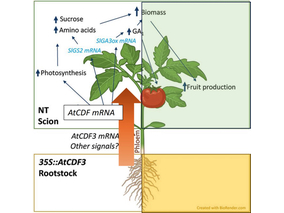
AtCDF3 gene induced greater production of sugars a...
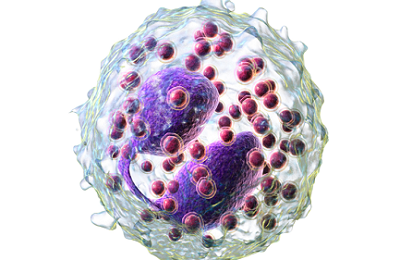
En nuestro post hablamos sobre este interesante tipo de célula del...

New preliminary data presented at EHA 2026 highlight the potential of ...