Physical activity, particularly walking, is a common recommendation for people with chronic obstructive pulmonary disease (COPD). However, carrying out this activity in polluted areas may increase exposure to airborne contaminants. A study published in the journal Thorax and conducted by the Barcelona Institute for Global Health (ISGlobal), a centre supported by the ”la Caixa” Foundation, links black carbon (soot) to an increase in certain respiratory symptoms in people with COPD.
Although in the general population the benefits of physical activity may outweigh the effects of air pollution, this interaction is still not fully understood in people with COPD. “Our aim was to assess how walking and exposure to air pollutants affect daily respiratory symptoms in people with COPD,” explains Alícia Josa Culleré, ISGlobal researcher and first author of the study.
To do so, the research team followed 105 people with COPD in Catalonia over two seven-day periods. They recorded daily walking activity, exposure to three air pollutants — fine particulate matter (PM2.5), nitrogen dioxide (NO₂) and black carbon (soot) — as well as symptom intensity, including cough, sputum production, breathlessness and wheezing.
More cough and mucus on days with high soot levels
Black carbon, also known as soot, consists of microscopic carbon particles produced by the incomplete combustion of fossil fuels (especially older diesel engines), wood and biomass (for example, in wildfires). The study found that when black carbon concentrations were high, longer walking duration was associated with increased cough and sputum production. By contrast, walking when levels of fine particulate matter (PM2.5) or nitrogen dioxide (NO₂) were high did not worsen respiratory symptoms, suggesting that walking under those conditions remains advisable for people with COPD.
“These findings may be explained by the fact that black carbon particles tend to be smaller and can penetrate more deeply into the lungs,” explains Judith Garcia Aymerich. “In addition, they often carry compounds that increase their toxicity and their impact on respiratory health.”
The lack of a similar association with PM2.5 and NO₂ may be due to several factors, including the low concentrations recorded during the study, which remained below the limits recommended by the World Health Organization (WHO). It may also be related to behavioural changes among participants on more polluted days — such as increased inhaler use or walking at lower intensity — or to the possibility that the benefits of walking offset the negative effects of PM2.5 and NO₂ exposure.
Physical activity remains a cornerstone of COPD management
The study examined the short-term effects of walking on respiratory symptoms within the same day, but did not assess the benefits of maintaining regular physical activity. Therefore, the findings do not call into question the benefits of physical activity for people with COPD. Previous studies have shown that physical activity can help open the airways and assist in clearing accumulated lung secretions, meaning that walking may help expel mucus through coughing.
“Our findings support the recommendation to walk for people with COPD, provided that busy roads are avoided where black carbon concentrations are high,” explains Judith Garcia Aymerich. “It is important to provide accessible spaces for safe walking, as well as to reduce black carbon emissions, a ‘super pollutant’ that is harmful both to respiratory health and the climate.”
Reference: Josa-Culleré, A., Koch, S., Rivas, I., Gimeno-Santos, E., Buekers, J., Delgado-Ortiz, L., Alcaraz, V., Blanco, I., Garcia-Olivé, I., Rodríguez-Chiaradía, D., Cirach, M., Valentin, A., Morawska, L., & Garcia-Aymerich, J. (2026). Effects of the interaction between walking activity and air pollution on daily respiratory symptoms in people with COPD. Thorax, thorax-2025-224411. https://doi.org/10.1136/thorax-2025-224411
Image: Laura Guerrero | Ajuntament de Barcelona

La mejor actitud que podemos adoptar es la de trat...

The research team observed changes in head circumf...
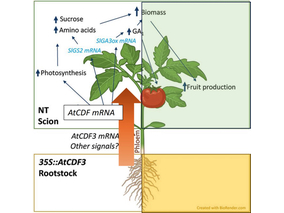
AtCDF3 gene induced greater production of sugars a...
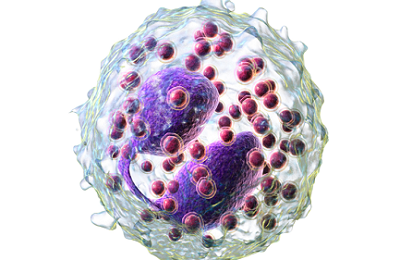
En nuestro post hablamos sobre este interesante tipo de célula del...

GENESIS Biomed ha lanzado el programa GENESIS CEO Academy, una iniciat...