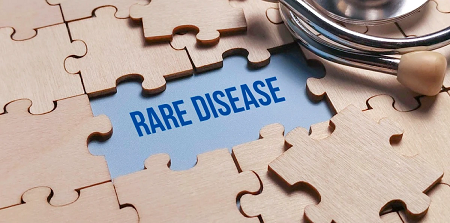
Rare diseases are uncommon when considered individually, but collectively they represent one of Europe’s major health challenges. Between 27 and 36 million people in the European Union live with one of the 6,000 to 8,000 identified rare diseases. Approximately 80% have a genetic origin, and a significant proportion begin during childhood, making early diagnosis a determining factor in patients’ clinical course and quality of life. However, reaching a diagnosis remains a lengthy and uneven process. For some disease groups, the diagnostic delay can range from five to ten years. During that time, patients may undergo numerous doctor visits, hospitalizations, inconclusive tests, and empirical treatments. When an effective therapy exists, the delay can prevent intervention before irreversible damage occurs. The problem is not solely scientific: there is also a geographical and informational gap between the settings where initial symptoms manifest—often in primary care—and the specialized centers where expertise is concentrated. This situation creates inequities between urban and rural areas and among regions with varying levels of digital maturity. Low prevalence also hinders clinical research. Potentially eligible patients are often scattered across numerous hospitals and countries, present with heterogeneous clinical manifestations, and, at times, belong to extremely small molecular subgroups. As a result, recruitment can take years, and researchers have limited data with which to establish control groups or determine the natural history of the disease. Furthermore, the small potential market limits the ability to recoup the investment required to develop a drug, and although regulatory agencies offer specific incentives to stimulate the development of orphan drugs, this is sometimes insufficient.
One of the greatest opportunities to change this situation comes from access to genomic data. Given that 80% of rare diseases have a genetic origin, European initiatives such as 1+ Million Genomes (1+MG)—which aims to provide secure access to more than one million genomes and their associated clinical data—will be of great assistance in the diagnosis and research of these diseases because they will facilitate the comparison of variants and phenotypes among patients treated in different regions.
A similar rationale underpins the European Health Data Space (EHDS), which encompasses a wide range of health data, including electronic health records, laboratory results, medical images, treatment information, and real-world data. The EHDS establishes a common framework for the secure exchange and reuse of health data for research, innovation, public health, and personalized medicine. Its future secondary-use infrastructure, HealthData@EU, will enable work with data from different Member States within secure environments and under the supervision of authorized access bodies. It is important to note that, in the case of a rare disease, each center may hold only a few pieces of the puzzle; sharing information can allow those pieces to be analysed collectively and advance the diagnosis and treatment of these diseases.
In pediatrics, specifically, the European PHEMS project is laying the groundwork for the future Paediatric Health Data Space (PHDS): a secure, federated, and interoperable European ecosystem for the secondary use of pediatric data. This initiative is particularly necessary because rare diseases typically manifest at an early age.
Another key opportunity to transform research into rare diseases lies in artificial intelligence, which can become a decisive tool. Algorithms can detect relationships between genomic, clinical, and phenotypic data—relationships that would be difficult to identify through manual review—and help prioritize genetic variants, classify disease subtypes, or identify biomarkers associated with disease progression or treatment response.
These combined capabilities—federated data sharing and AI—can also improve clinical trials: identifying potentially eligible patients, estimating the actual size of a cohort, selecting sites, defining more sensitive endpoints, and constructing comparator groups based on historical or real-world data when methodologically and regulatory acceptable. The combination of AI and omics data can also facilitate more precise patient stratification and reduce the heterogeneity that often masks a treatment’s effect.
Technology, however, is not a solution in and of itself. Artificial intelligence does not automatically discover a cure: it generates hypotheses, identifies signals, and helps prioritize lines of research that must be validated clinically and experimentally. Its impact will depend on the quality and representativeness of the data, interoperability between systems, control of biases, human oversight, and transparent governance that preserves patient privacy and trust.
Despite these challenges, Europe faces an exceptional opportunity. The convergence of genomics, federated health data, artificial intelligence, and new trial designs can reduce the fragmentation that has historically limited research into rare diseases. Sharing knowledge without losing control of the data will make it possible to build larger cohorts, diagnose earlier, conduct research more efficiently, and bring new therapeutic options to patients who, for far too long, have been left out of traditional innovation models.
Article by Natalia de la Figuera – Co-founder and COO of GENESIS Biomed

La mejor actitud que podemos adoptar es la de trat...

The research team observed changes in head circumf...
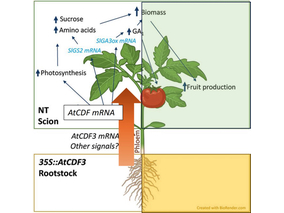
AtCDF3 gene induced greater production of sugars a...
En nuestro post hablamos sobre este interesante tipo de célula del...
Un paciente de edad avanzada es el primero en recibir la terapia liso-...