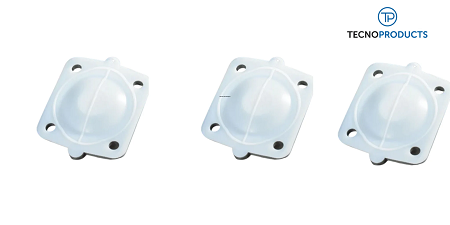
Diaphragm valves and peristaltic pump tubing are two of the most critical components in any hygienic process plant. In Spain, with a leading European pharmaceutical and food sector, the correct selection and maintenance of these components is essential for compliance with EU GMP and product safety. This article addresses their specific applications within the context of Spanish industry, European regulatory requirements, and best practices for selection and maintenance.
The Membrane Valve in the Spanish Pharmaceutical Industrial Park
Spain has significant pharmaceutical production plants, primarily located in Catalonia, Madrid, the Basque Country, Valencia, and Andalusia. In all of these plants, diaphragm valves are the standard for fluid control in regulated processes.
In the production of solid and liquid pharmaceuticals: diaphragm valves control the addition of purified water and other liquid excipients on manufacturing lines. Their dead-zone-free design facilitates cleaning validation according to EU GMP protocols.
In pharmaceutical water systems: Spain has numerous pharmaceutical plants that operate purified water (PW) and water for injection (WFI) systems. Pneumatic diaphragm valves are the standard control element in the distribution loops of these systems, in accordance with ISPE guidelines and Ph. Eur. requirements.
In bioprocessing and biotechnology: the growing Spanish biotech sector uses ASME BPE diaphragm valves in its bioreactors, filtration systems, and purification lines. The automation of these processes requires diaphragm valves with integrated pneumatic actuators and positioners.
In the Spanish food industry: from juice plants in Valencia to cheese factories in Castile or canneries in Galicia, the diaphragm valve is the preferred cutting and regulating element in processes where hygiene is critical.
European Regulations Applicable to Diaphragm Valves in Spain
Diaphragm valves used in regulated industries in Spain must comply with several European regulations:
Pressure Equipment Directive (PED, Directive 2014/68/EU): applicable to valves used in pressure systems. Requires CE marking for valves that exceed certain pressure and temperature limits.
EU Regulation 1935/2004 and EU Regulation 10/2011: for diaphragm valves in contact with food. The diaphragms must be made of materials approved for food contact.
EHEDG (European Hygienic Engineering & Design Group): its guidelines on hygienic design affect the internal geometry of valves (absence of dead zones, drainable surfaces) and are a reference in the European food and pharmaceutical industry.
EU GMP (Directive 2003/94/EC): Pharmaceutical plants in Spain must operate under EU GMP, which means that equipment and components —including diaphragm valves— must be qualified and maintained according to documented procedures.
EN 13456: European standard specific to stainless steel diaphragm valves for the food industry. It defines design requirements, materials, and testing.
Peristaltic Pump Tubing in Spain: Applications and Materials
Peristaltic pumps are widely used in Spanish industry due to their ability to pump delicate, viscous fluids or fluids containing suspended particles without contaminating or damaging them. Peristaltic tubing has specific applications in various sectors:
Pharmacy: dosing of liquid APIs, transfer of culture media in bioprocessing, filling of vials and bottles. Platinum silicone tubing is the standard.
Food industry: ingredient dosing, transfer of sauces and viscous products, packaging of juices and dairy products. Food-grade silicone tubing or Pharmed.
Wine and beer production: transfer of musts, beers, and wines at different stages of production. Strong demand in regions such as La Rioja, Penedès, and Ribera del Duero.
Water and environmental treatment: reagent dosing in treatment plants. Marprene or Norprene tubes for compatibility with aggressive reagents.
Laboratory and R&D: precise dosing in analysis and testing. Small diameter tubes with tight dimensional tolerances for precise flow rates.
In Spain, the most present peristaltic pump manufacturers in the market are Watson-Marlow, Verderflex, Verder and Cole-Parmer, each with its own range of recommended tubing.
Preventive Maintenance under EU GMP: Peristaltic Valves and Tubes
In Spanish pharmaceutical facilities under EU GMP, the maintenance of diaphragm valves and peristaltic tubing has direct implications for the quality system:
Preventive maintenance plan: must be documented, approved, and up-to-date. It includes replacement intervals for valve diaphragms and peristaltic tubing, based on the number of cycles or operating hours.
Maintenance records: each intervention must be recorded in the maintenance system (CMMS or equivalent system), with identification of the component replaced, batch number of the replacement part and the person who performed the intervention.
Change of supplier or specification: Any change in the material or supplier of membranes or tubes must be managed through the change control process of the quality system, with assessment of the impact on process validation.
Spare parts qualification: New batches of peristaltic membranes or tubing must have conformity documentation available before installation. In critical installations, compatibility testing may be required before approving a new supplier.
Non-conformities: Any failure of a membrane or tube that affects production must be managed as a non-conformity, with root cause analysis and corresponding CAPA.
Trends in the Use of Peristaltic Valves and Tubes in Spain
The Spanish market for diaphragm valves and peristaltic tubing is evolving:
Automation and digitalization: Industry 4.0 is arriving in Spanish pharmaceutical and food plants. Diaphragm valves with intelligent actuators (positioners with fieldbus, HART, or IO-Link communication) enable continuous monitoring and predictive diagnostics.
Bioprocess growth: the rise of biopharmaceuticals in Spain drives demand for ASME BPE valves and high-purity silicone tubing for fermentation and purification processes.
Sustainability: Reducing water consumption in CIP cycles — by optimizing the opening and closing of membrane valves — is a priority in many Spanish plants as part of their ESG commitments.
Single-use: the adoption of disposable systems in bioprocessing is changing the consumption profile of peristaltic tubes, with increased demand for single-use tubes with high purity and documentation of extractables.
Conclusion
Diaphragm valves and peristaltic tubing are critical components in the Spanish pharmaceutical and food industries. Their correct selection, qualification, and maintenance under EU GMP regulations are essential to guarantee product quality and regulatory compliance. If you require technical advice or qualification documentation for these components at your Spanish facility, our team can assist you throughout the process.

La mejor actitud que podemos adoptar es la de trat...

The research team observed changes in head circumf...

AtCDF3 gene induced greater production of sugars a...
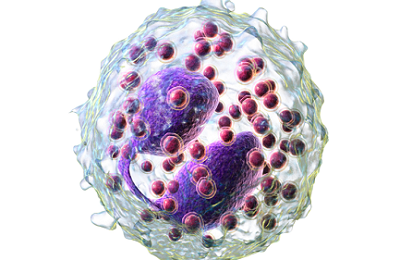
En nuestro post hablamos sobre este interesante tipo de célula del...
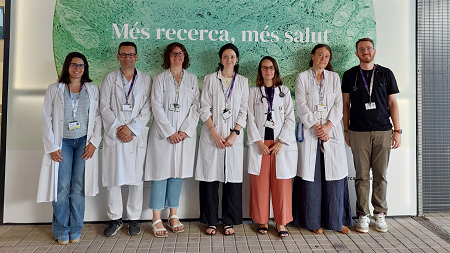
The direct analysis of human heart tissue from transplant recipients w...