In a globalized market where energy costs, regulatory demands, and time-to-market pressures are suffocating, pharmaceutical manufacturing plants face a dilemma: How can they be extremely competitive without sacrificing excellence in quality?
The answer lies not in producing more, but in producing smarter through the integration of high-efficiency assets.
Sustainability: The End of Blind Energy Consumption
Expenditure on HVAC systems and air treatment accounts for up to 60-70% of a plant’s energy consumption. Current competitiveness requires facilities that do not just clean the air, but manage it intelligently.
2. Operational Efficiency: Reducing “Downtime”
Internal logistical efficiency is the major bottleneck. Every minute a batch waits in a SAS (Pass-through) or a decontamination tunnel represents immobilized capital.
New pass-boxes, disinfection tunnels, and air or misting showers must be “fast-track.” The challenge is to achieve ultra-fast decontamination cycles that guarantee microbiological safety without strangling the flow of materials.
Digitalization and Automation: The “Brain” of the Plant
Competitiveness today is measured in data. A plant that cannot predict a failure before it occurs is not competitive.
Equipment like material pass-through SAS units are no longer just stainless steel boxes; they are data nodes. Integration with systems that allow equipment to automatically report the success of each cycle eliminates manual recording errors.
How does digitalization affect the ROI of a pharmaceutical plant?
By reducing rejected batches. The FDA emphasizes that Data Integrity prevents 80% of audit observations. A digitalized plant is a plant that doesn’t stop due to regulatory doubts.
Is it profitable to invest in high containment and modular equipment?
Absolutely. The flexibility to switch products in the same cleanroom (thanks to easy-to-clean panels and doors) allows for much faster depreciation of the facility. The ISPE indicates that modularity saves up to 20% in Life Cycle Costs (LCC).
Competitiveness cannot be bought “piece by piece.” Success lies in a partner who understands everything from interior architecture and fluid utilities to the validation of a disinfection tunnel.
Pharmaceutical competitiveness in 2026 is, essentially, the ability of a plant to be invisible to error and transparent to data.

La mejor actitud que podemos adoptar es la de trat...

The research team observed changes in head circumf...
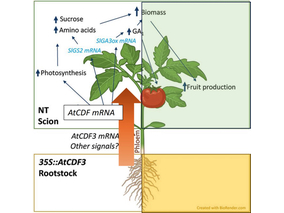
AtCDF3 gene induced greater production of sugars a...
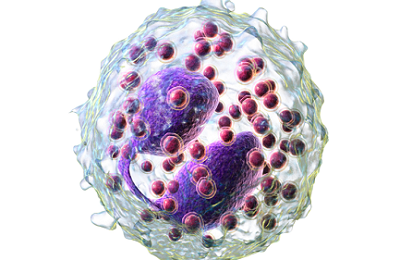
En nuestro post hablamos sobre este interesante tipo de célula del...
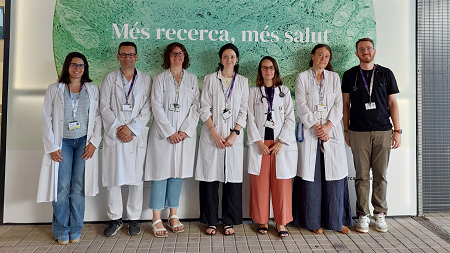
The direct analysis of human heart tissue from transplant recipients w...