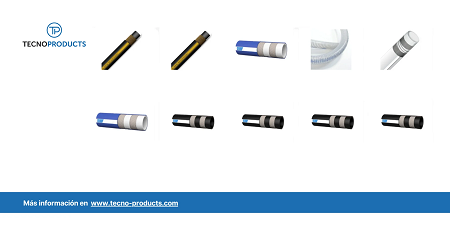
The Spanish pharmaceutical and biotechnology industry requires process materials that comply with both European regulations and, in many cases, US FDA standards. Pharmaceutical-grade hose and silicone tubing are two of the most commonly used flexible components in these facilities. This guide, geared towards the Spanish market, addresses the applicable regulations, how to select the correct material, and the documentation required for the qualification of these components in EU GMP-compliant facilities.
European Regulatory Framework for Pharmaceutical Hoses
In Spain and the European Union, hoses and tubes in contact with pharmaceutical or food products must comply with a specific regulatory framework:
European Pharmacopoeia (Ph. Eur.): the regulatory reference for pharmaceutical products in Europe. Its monographs on plastic materials (such as Ph. Eur. 3.1.9 for silicone) establish the quality tests that materials in contact with medicinal products must pass.
EU Regulation 10/2011: on plastic materials in contact with food. Applicable to pharmaceutical hoses also used in the Spanish food industry.
REACH (EC Regulation 1907/2006): requires European manufacturers and distributors to document the chemical composition of materials and the absence of substances of very high concern.
EU GMP Directive (2003/94/EC and its revisions): European good manufacturing practices establish the requirements for auxiliary process materials, including hoses and tubes.
EN ISO 10993 standard: for biocompatibility of materials in contact with the body or with medical products. It applies especially to tubing used in the production of injectable medicines or medical devices.
Pharmaceutical Silicone Tubing: Why it's the First Choice in Spain
Platinum-cured pharmaceutical silicone tubing is the reference material in Spanish pharmaceutical and biotechnology facilities for several reasons:
Compliance with European and American regulations: simultaneously complies with the European Pharmacopoeia, FDA 21 CFR 177.2600 and USP Class VI, which facilitates export to FDA-regulated markets from Spanish plants.
Versatility in regulated processes: withstands autoclave sterilization (121°C/134°C), gamma and ethylene oxide; resists the CIP agents commonly used in the Spanish pharmaceutical industry; and maintains its mechanical properties within the typical temperature range of the processes.
Documentation available: The main platinum silicone tubing manufacturers supply all the documentation required for qualification in EU GMP facilities: Ph. Eur. certificates, FDA declarations, extractables data and batch analysis.
Wide availability in the Spanish market: there is a consolidated network of specialized distributors in Spain capable of supplying pharmaceutical silicone tubing with the required certificates and within the necessary production timeframes.
Compatibility with European peristaltic pumps: the main manufacturers of peristaltic pumps present in the Spanish market (Watson-Marlow, Verderflex, Verder, Masterflex) have their ranges of compatible tubing well documented with platinum silicone.
Pharmaceutical Hose for Specific Applications in Spain
The most frequent applications of pharmaceutical tubing in Spanish facilities are:
Pharmaceutical industry in Catalonia and Madrid: API transfer, bioreactor connections, aseptic filling lines. Proximity to research centers and the presence of large multinational pharmaceutical companies make these regions the largest consumers of high-purity pharmaceutical tubing.
Biotechnology in Barcelona (22@ and Sant Pau) and Madrid (Tres Cantos): single-use systems, culture media transfer, connections between process equipment. Growing demand for hoses with integrated clamp fittings and USP Class VI certification.
Food industry in Galicia, Andalusia and Aragon: silicone or EPDM hoses for dairy, meat and canning plants. EU 1935/2004 requirements and food hygiene regulations.
Brewing and wine sector: silicone or EPDM hoses for product transfer, CIP, and tank connections. Strong demand in regions such as La Rioja, Catalonia, and Andalusia.
Cosmetics in Catalonia and Madrid: silicone hoses for cosmetic and personal hygiene formulations, with purity requirements similar to pharmaceuticals.
Documentation for Qualifying Hoses in Spanish GMP Installations
In a Spanish pharmaceutical facility under EU GMP, the qualification of a pharmaceutical hose or pharmaceutical silicone tube requires the following documentation:
Declaration of conformity with Ph. Eur. 3.1.9 (for silicone) or Ph. Eur. 3.1.5 (for polyethylene) depending on the material.
FDA Declaration 21 CFR 177.2600: required if the facility exports drugs to the US market or is audited by the FDA.
USP Class VI Certified: The most demanding level of biocompatibility in the US Pharmacopeia. Increasingly required in Spanish biopharmaceutical facilities, even for the European market.
REACH Declaration of Conformity: Absence of SVHC substances. Mandatory for European suppliers.
Batch Analysis Certificate (CoA): provides data for the specific batch supplied.
Data on extractables and leachables: especially critical for the production of injectables and biological products. Many multinational pharmaceutical companies with plants in Spain require this data from their suppliers.
Declaration of conformity with EU Regulation 10/2011 for food applications.
Safety Data Sheet (SDS): according to the REACH Regulation.
Trends in the Spanish Pharmaceutical Hoses and Tubes Market
The Spanish market for pharmaceutical hoses and silicone tubing is evolving in several directions:
Growth of bioprocess and single-use: the rise of Spanish biotechnology and investment in vaccine and biopharmaceutical production after the pandemic has boosted demand for single-use hoses and high-purity silicone tubing for disposable systems.
Stricter documentation requirements: EMA and FDA inspections of Spanish plants are becoming increasingly rigorous in reviewing the qualification of auxiliary materials, including hoses and tubes.
Sustainability: The pressure to reduce the environmental impact of single-use systems is driving the development of more durable reusable hoses and materials with a lower carbon footprint.
Digitalization of traceability: Spanish quality management systems are moving towards digital traceability of process components, including hoses and tubes, with electronic batch registration and certificates.
Conclusion
The selection and qualification of pharmaceutical-grade hoses and silicone tubing for Spanish facilities requires a supplier who understands both the technical requirements and the European regulatory framework. If you need advice on selecting the right material for your process, obtaining qualification documentation, or resolving any questions about applicable regulations in Spain, our technical team is available to assist you.

La mejor actitud que podemos adoptar es la de trat...

The research team observed changes in head circumf...

AtCDF3 gene induced greater production of sugars a...
En nuestro post hablamos sobre este interesante tipo de célula del...

The direct analysis of human heart tissue from transplant recipients w...