
Single-use systems (SUS) have transformed biopharmaceutical production over the past decade. Process bags, disposable bioreactors, filtration cassettes, and pre-assembled, pre-sterilized piping assemblies have replaced the rigid stainless steel lines that were the standard for decades in many facilities. At the heart of these flexible systems are the pharmaceutical tubing: the component that connects, transfers, and enables the movement of the biological product through the process.
The Pharmaceutical Hose in the Single-Use Ecosystem
In a typical single-use bioprocess system, pharmaceutical hoses have several functions:
Connection between disposable components: between storage bags, disposable bioreactors, filtration cassettes, and other SUS components. These hoses are part of the pre-assembled and pre-sterilized disposable assembly used for a single production batch.
Interface between disposable and fixed systems: In hybrid installations (disposable + stainless steel), pharmaceutical-grade tubing creates the connection between the disposable bag or bioreactor and the installation's fixed infrastructure (pumps, sensors, valves). This interface point is critical and must be precisely specified.
Aseptic transfer: In operations where it is necessary to maintain product sterility (harvesting, dilution, filtration, transfer to filling line), pharmaceutical hoses are used in combination with aseptic connectors that allow the joining and separation of lines without breaking sterility.
Peristaltic pumping: In peristaltic pumps integrated into SUS systems, the silicone tubing acts as the pumping element. For single use, platinum silicone tubing is used, which is less expensive than reusable tubing but meets the same certification requirements.
Materials for Single-Use Hoses in Bioprocesses
The materials used in pharmaceutical tubing for single-use systems must meet particularly strict requirements in terms of extractables, since the biological product will be in contact with the material during the process and there will be no subsequent cleaning cycle to remove potential contaminants:
Platinum silicone: the benchmark in reusable bioprocesses and a viable single-use option. Well-documented extractable profile, excellent biocompatibility, suitable for gamma sterilization (up to 50 kGy without significant changes in properties). Transparent, facilitating visual inspection of the fluid.
C-Flex (Saint-Gobain): a thermoplastic elastomer specifically designed for bioprocessing. It features high transparency, excellent compatibility with gamma sterilization, and a very low extractable profile. It is widely used in single-use assemblies for biopharmaceutical production.
Pharmed BPT (Saint-Gobain): a formulation specifically designed for peristaltic pumps in bioprocessing. It offers high mechanical durability, low extractability, and is suitable for gamma radiation. Certified for use with leading peristaltic pump manufacturers.
Tygon (Saint-Gobain): a range of elastomers for various bioprocess applications. Different formulations with varying extractable profiles and chemical compatibilities.
DEHP-free pharmaceutical PVC: for low-cost transfer assemblies where the extractables profile allows its use. Free from the plasticizer DEHP (phthalate), whose presence in standard PVC makes it unacceptable for bioprocessing.
Aseptic Connectors: The Critical Joint in Single-Use
In single-use systems, the connection point between disposable components—or between the disposable system and the fixed infrastructure—is one of the highest risk points for contamination. Aseptic connectors eliminate this risk by allowing lines to be joined and disconnected without exposing the fluid to the environment.
There are different types of aseptic connectors on the bioprocess market:
Break-through membrane connectors (such as Lynx S2S, Readymate): two halves of the connector are joined under pressure, breaking an internal membrane that maintains sterility on each side until the moment of connection. They allow connection in the open field.
Sterile coupling connectors: These are connected in a classified environment (cleanroom) or under laminar flow. They are simpler but have stricter environmental requirements.
Radiofrequency connectors (such as PRESTO, BioQuate): incorporate radiofrequency sealing technology. They allow for thermally sealed disconnection of both ends, maintaining the sterility of the residual fluid.
Clamp-to-SUS adapters: These adapters allow a line with a clamp terminal (DIN 32676 or ASME BPE) to be connected to a single-use component. They are the key element of the interface between the disposable system and the fixed clamp infrastructure of the installation. The material selection (platinum silicone or PTFE clamp gasket) must be included in the system's E&L study.
Waste Management and Sustainability in Single-Use Systems
One of the most active debates in the biopharmaceutical industry is the environmental impact of single-use systems. Disposable tubing and pipe assemblies generate a significant amount of plastic waste, which can be considerable in high-production facilities.
The strategies the sector is adopting to address this challenge include:
Optimizing assembly design: reducing the amount of plastic material in single-use assemblies without compromising functionality or process safety.
Recyclable or compostable materials: research and development of single-use elastomers and plastics that can be recycled or composted at the end of their useful life. This field is in its early stages but has promising prospects.
Reuse where technically possible: Some components of single-use assemblies can be reused if they undergo a validated cleaning and sterilization process. The hybrid approach (maximum single use where value justifies it, reuse where safe and efficient) is gaining ground.
Take-back and recycling programs: Several SUS system manufacturers have established single-use waste recovery programs for recycling or incineration with energy recovery.
Life cycle assessment (LCA): systematic comparison of the environmental impact of single-use versus multi-use systems, considering not only plastic waste but also the consumption of water, energy and cleaning chemicals of traditional systems.
Traceability and Documentation of Single-Use Hoses in GMP
In GMP-compliant bioprocessing facilities, traceability of single-use assemblies—including hoses—is an explicit regulatory requirement. Each disposable component used in the production of a batch must be identifiable and its conformity must be demonstrable.
The traceability system for single-use hoses in GMP includes:
Lot identification: each single-use set (including hoses) must have an identifiable lot number that allows its origin to be traced back to the manufacturer.
Batch conformity certificate: The assembly manufacturer must provide a specific conformity certificate for each batch supplied, including sterilization verification (gamma radiation dose, biological indicators) and confirmation of conformity to product specifications.
Batch record of use: The batch number of the single-use kit used in each production run must be recorded in the batch record of the biological product batch. This allows for bidirectional traceability: from the product batch to the single-use kit, and vice versa.
Documentation filing: Certificates of conformity for single-use assemblies must be filed for the period established in the applicable GMPs (minimum the lifetime of the product plus an additional year, according to EU GMP).
Claims management: if a defect is detected in a single-use set, the traceability system must allow the identification of all product batches that may have been affected.
Conclusion
Pharmaceutical tubing in single-use systems are critical components whose proper management—from material selection to traceability in the batch record—determines the integrity of the bioprocess. If you design or manage single-use systems and need advice on material selection, aseptic connectors, or qualification documentation, our technical team can help.

La mejor actitud que podemos adoptar es la de trat...

The research team observed changes in head circumf...
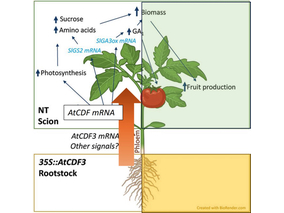
AtCDF3 gene induced greater production of sugars a...
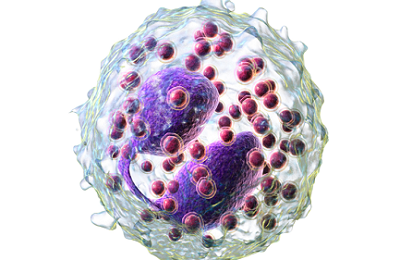
En nuestro post hablamos sobre este interesante tipo de célula del...
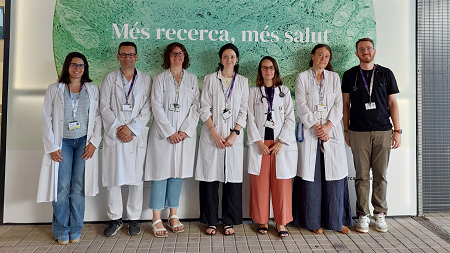
The direct analysis of human heart tissue from transplant recipients w...