
A study led by the University of Granada and the ibs.GRANADA has analyzed the effects of a moderate-intensity aerobic exercise session in healthy men and women, performed at 11:30 a.m. or 18:30 p.m. The research, conducted using a randomized crossover design, evaluated the impact of cycling on blood glucose regulation for one hour, energy expenditure, and the use of fats and carbohydrates during and after exercise, as well as changes at the molecular level of the muscle cells themselves, obtained through biopsies.
The results indicate that, although no significant differences are observed at the systemic level (for example, in blood glucose) between morning and afternoon, significant variations are identified at the cellular level. The effect of exercise is greater in the afternoon. In women, the metabolic activity of muscle cells shows greater utilization of fats in the morning, while carbohydrate consumption predominates in the afternoon. In men, the differences are less marked, but fat oxidation tends to be slightly higher in the afternoon.
The body's cells are genetically programmed to respond to day-night cycles. In this process, so-called clock genes play a key role in regulating metabolism, allowing the body to function efficiently depending on the time of day. Exercise is a basic tool for ensuring proper metabolic health, and its interaction with these biological clocks can influence its benefits, depending on whether it is performed in the morning or in the afternoon.
Raquel Sevilla, the study's principal investigator, belongs to the Department of Physiology at the University of Granada and is a member of the Joint University Institute of Sport and Health. The scientist points out that these results highlight the importance of considering the differences between men and women when designing exercise programs. "Although the effects of timing do not translate into immediate changes at the systemic level, we suggest that, with higher intensity exercises or long-term interventions, the differences could have a more relevant clinical impact."
This work provides a molecular framework that will allow for the design of future research and the optimization of exercise as a therapeutic tool, taking into account the intensity and type of activity, as well as the time of day and physiological differences between men and women.
A multidisciplinary group of researchers from the University of Granada, the San Cecilio University Clinical Hospital in Granada, the Granada Institute for Biosanitary Research (ibs.GRANADA) and the CIBER (CIBEROBN and CIBERFES) have carried out the research, which has received funding from the Ministry of Culture and Sport, the Higher Research Council, the European Union's Recovery, Transformation and Resilience Plan, and NextGeneration Funds (EXP_77437). Furthermore, the study has been awarded second prize in the XNUMXth National Sports Medicine Research Awards of the Cajastur Foundation.
The study also received the second prize of the XXV National Awards for Research in Sports Medicine from the Cajasur Foundation in 2024.

La mejor actitud que podemos adoptar es la de trat...

The research team observed changes in head circumf...

AtCDF3 gene induced greater production of sugars a...
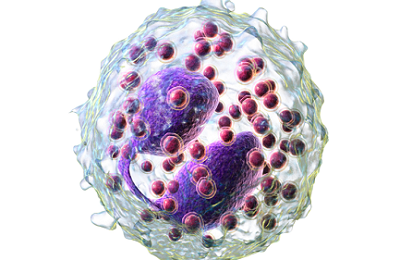
En nuestro post hablamos sobre este interesante tipo de célula del...

A paper published in Alzheimer’s & Dementia: The Journal of the Alzh...