
Omega3 is one of the most recognized nutrients in food, nutrition, and wellness. Its presence in supplements, functional products, and aquaculture-related applications has grown significantly in recent years, driven by increasing global demand.
Yet despite its popularity, the natural origin of Omega3 remains largely misunderstood.
When people think about marine Omega3, they usually associate it directly with fish. However, the primary origin of these essential compounds is actually found much lower in the marine food chain: microalgae.
Microalgae and the Origin of Omega3
Microalgae are microscopic organisms capable of photosynthesis and of producing different bioactive compounds essential for marine ecosystems. Among them are certain types of Omega3, particularly EPA and DHA, two fatty acids widely studied in nutrition and food science.
In the oceans, microalgae form the foundation of the marine food chain. Through this trophic system, the Omega3 compounds produced by microalgae are later transferred to other marine organisms.
Understanding this origin is becoming increasingly relevant in a context where global demand for essential nutrients continues to grow and where food innovation is exploring more efficient and sustainable production systems.
Beyond Nutrition
Interest in Omega3 goes far beyond human nutrition. Its importance also extends to sectors such as aquaculture, functional food, and the development of new ingredients for more sustainable food systems.
At the same time, global population growth and increasing pressure on natural resources are accelerating the search for innovative solutions capable of addressing future food challenges.
In this context, microalgae are attracting growing attention within biotechnology and food innovation due to their ability to produce high-value compounds through controlled cultivation systems.
Rethinking the Future of Ingredients
The conversation around the future of food is no longer focused only on producing more food, but also on how to produce essential nutrients in more efficient, traceable, and sustainable ways.
Ingredients such as Omega3 are part of that transformation.
As food systems evolve, interest is also increasing in technologies and processes capable of providing new alternatives for the production of key nutritional compounds.
Understanding the role of microalgae within these systems not only helps explain the origin of Omega3, but also highlights some of the trends that may shape the future of the food industry.
By David Alonso

La mejor actitud que podemos adoptar es la de trat...

The research team observed changes in head circumf...
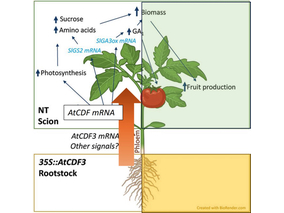
AtCDF3 gene induced greater production of sugars a...
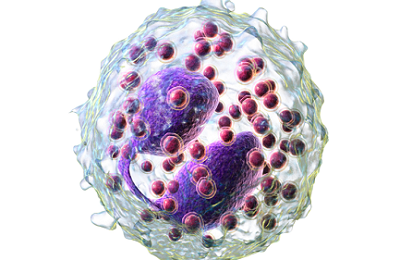
En nuestro post hablamos sobre este interesante tipo de célula del...

Existen numerosas actividades para personas mayores que pueden incorpo...