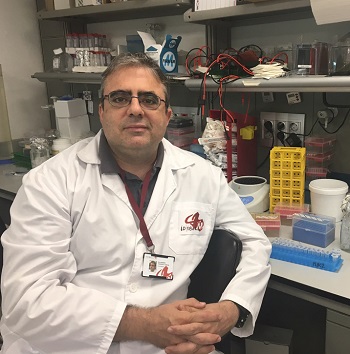
Dr. Àlex Vaquero, leader of the chromatin biology research group of the Bellvitge Biomedical Research Institute (IDIBELL), has been awarded one of the prestigious grants from the Worldwide Cancer Research organization, worth 200,000 euros. The grant will fund a new project of this basic research group focused on the study of the mechanisms of tumor formation.
The project led by Dr. Vaquero, entitled "Dissecting the specific contribution of Sirtuin ADP-ribosyltransferase and deacetylase activities in tumorigenesis", will last 36 months starting this February. The research aims to understand how a group of enzymes, known as Sirtuins, plays a role in the formation of tumours, in order to uncover ways to target them for cancer treatment.
The sirtuins are enzymes involved in the cellular response to stress. Certain stress conditions are very relevant as they have been shown to contribute to tumour development.. However, the role of sirtuins is complex, which is partly due to the fact that some sirtuins show two distinct enzymatic activities, sometimes opposite. Dr Vaquero wants to understand this enzymatic diversity and the specific contribution of each of these activities to the role of Sirtuins in cancer.
"This financial aid will mainly serve to hire a post-doctoral researcher who will be exclusively dedicated to this project," says Dr. Vaquero. This year, the call for grants has received 750 proposals, of which only about twenty (3%) have been selected, including the IDIBELL group project.
Worldwide Cancer Research (formerly AICR) is a charity that funds research on any type of cancer at the international level through an annual call for highly prestigious grants. The goal of this organization is to recruit the best research talent from around the world to develop better and more effective cancer treatments.
Dr. Àlex Vaquero, leader of the chromatin biology research group of the Bellvitge Biomedical Research Institute (IDIBELL), has been awarded one of the prestigious grants from the Worldwide Cancer Research organization, worth 200,000 euros. The grant will fund a new project of this basic research group focused on the study of the mechanisms of tumor formation.
The project led by Dr. Vaquero, entitled "Dissecting the specific contribution of Sirtuin ADP-ribosyltransferase and deacetylase activities in tumorigenesis", will last 36 months starting this February. The research aims to understand how a group of enzymes, known as Sirtuins, plays a role in the formation of tumours, in order to uncover ways to target them for cancer treatment.
The sirtuins are enzymes involved in the cellular response to stress. Certain stress conditions are very relevant as they have been shown to contribute to tumour development.. However, the role of sirtuins is complex, which is partly due to the fact that some sirtuins show two distinct enzymatic activities, sometimes opposite. Dr Vaquero wants to understand this enzymatic diversity and the specific contribution of each of these activities to the role of Sirtuins in cancer.
"This financial aid will mainly serve to hire a post-doctoral researcher who will be exclusively dedicated to this project," says Dr. Vaquero. This year, the call for grants has received 750 proposals, of which only about twenty (3%) have been selected, including the IDIBELL group project.
Worldwide Cancer Research (formerly AICR) is a charity that funds research on any type of cancer at the international level through an annual call for highly prestigious grants. The goal of this organization is to recruit the best research talent from around the world to develop better and more effective cancer treatments.

La mejor actitud que podemos adoptar es la de trat...

The research team observed changes in head circumf...
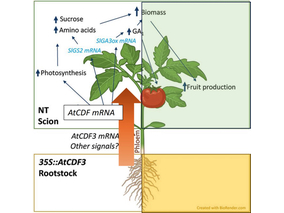
AtCDF3 gene induced greater production of sugars a...
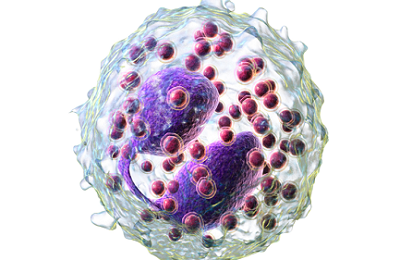
En nuestro post hablamos sobre este interesante tipo de célula del...

Telum Therapeutics, a biotechnology company leveraging proprietary met...