Polyphenols, the largest and most diverse group of antioxidants present in the diet, have historically been the subject of numerous studies for their possible beneficial properties in health. Now, a European epidemiological study led by researchers from the Nutrition and Cancer group of IDIBELL-ICO and published in Antioxidants, concludes that there is no clear association between the consumption of these compounds and the reduction of the risk of developing breast cancer.
Polyphenols are compounds of plant origin with antioxidant and anti-inflammatory properties, present in foods such as fruits, vegetables, coffee, tea or wine. Although they have been linked to potential health benefits and their impact on different types of cancer is recently being investigated (a few months ago the research team itself studied their link with blood cancers: get back to the news), their specific relationship with breast cancer had not been evaluated in sufficient detail on a large population scale until now.
A huge study with robust results
To address this question, the research team has analysed data from the EPIC (European Prospective Investigation into Cancer and Nutrition) cohort, one of the largest prospective studies in the world in the field of nutrition and cancer. Specifically, this study has included 257,960 women from seven different European countries, with an average follow-up of 14 years.
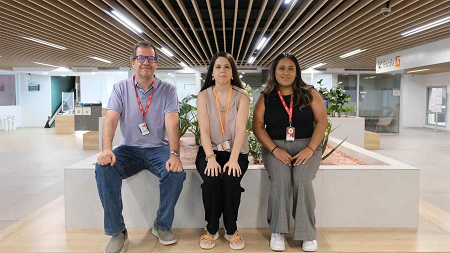
The study stands out for its exhaustive analysis of the intake of polyphenols, both total and by classes and subclasses, and for its evaluation in relation to the different subtypes of breast cancer. “The large size of the cohort and the long follow-up period have made it possible to obtain very robust results that are representative of the European population,” says Marta Farràs, principal investigator at IDIBELL-ICO and co-director of the study.
However, the results show that there is no clear association between total polyphenol intake and breast cancer risk. Nor have consistent relationships been identified between the different classes and subclasses of these compounds and the tumor subtypes analyzed. These results are consistent with other analyses of the same cohort. “Despite the large size and robustness of the study’s results, it is important to continue to delve into the role of diet in the development of breast cancer,” says María Fernanda López-Padilla, a student on the IDIBELL-ICO team and first author of the study. Factors such as individual differences, tumor biology, the introduction of new foods and increasingly rapid changes in global dietary patterns could affect this relationship and should be considered in future studies,” adds Raúl Zamora, principal investigator of IDIBELL-ICO and co-director of the study.
The study contributes to solid evidence in a key field of public health research and helps to nuance the potential role of these specific dietary components in breast cancer risk.

La mejor actitud que podemos adoptar es la de trat...

The research team observed changes in head circumf...
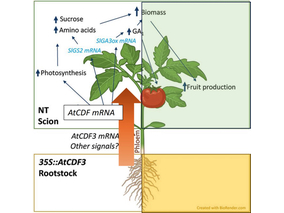
AtCDF3 gene induced greater production of sugars a...
En nuestro post hablamos sobre este interesante tipo de célula del...
Acute myeloid leukemia (AML) does more than infiltrate the lungs: it a...