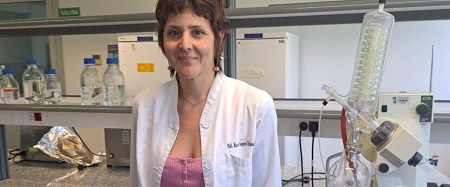
Extremaduran researcher María Vázquez is conducting a study at the Institute of Applied Biosciences (INAB|CERTH) in Greece, in collaboration with the American Farm School and the National Agrifood Technology Center (CTAEX). Her research focuses on identifying the sensory characteristics preferred by consumers in holm oak acorns, with the goal of developing markers that allow for the selection of optimal varieties for human consumption. This advance seeks to promote, facilitate, and normalize the incorporation of acorns into the diet.
The ACOFOOD project, funded by the European Commission through a Marie Curie postdoctoral fellowship, is evaluating holm oak acorns, a natural and abundant resource in Extremadura. Despite their nutritional value, acorns remain underutilized in the human diet. Their incorporation faces significant challenges, such as the lack of standardization in their processing and the lack of knowledge about their effects on digestive health.
In this regard, María Vázquez's research stay at the University Institute for Research in Agrifood Resources has been instrumental in evaluating the properties of holm oak acorns for intestinal health. Using an advanced in vitro human digestion system, unique in the region, it has been possible to simulate the complete digestive process of the acorn, with very promising results, as the incorporation of acorn flour into the diet promotes a significant increase in populations of bifidobacteria, a type of microorganism beneficial for intestinal health. These advances not only clarify how to better utilize their nutritional properties but also open the door to the development of new food formats, such as the pasta and energy bars already developed within the framework of the CTAEX project.
This initiative underscores the growing strength of research and communication channels between INURA (UEx) and research institutions in other European countries that have been taking place in recent years, focusing on the valorization of common products from the Mediterranean basin.
Source : UEx Scientific Culture Dissemination Service

La mejor actitud que podemos adoptar es la de trat...

The research team observed changes in head circumf...
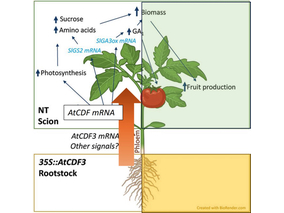
AtCDF3 gene induced greater production of sugars a...
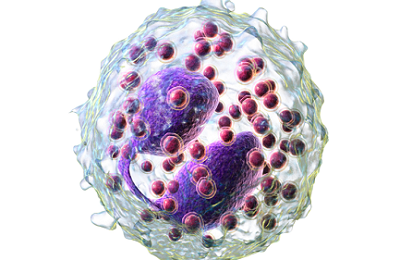
En nuestro post hablamos sobre este interesante tipo de célula del...

Telum Therapeutics, a biotechnology company leveraging proprietary met...