
Spain is the leading pork producer in Europe and the third largest worldwide , with Aragon being the leading region in the country, making the pork sector a strategic pillar of both the regional and national economy . Developing alternatives that reduce the impact of infections , a problem whose control incurs significant costs for the sector, not only improves animal welfare but also generates substantial economic benefits for the country . However, in many cases, the control of certain infections still depends on the use of antibiotics .
With the aim of reducing colonization by one of these bacteria — Streptococcus suis — in swine populations and developing sustainable alternatives to antibiotic use , the European project EPIG (Ecology of Pathogenic Streptococcus suis and their Interactions with Microbiota and Pig Immunity) has been launched . It is led in Spain by Professor Jesús Arenas of the University of Zaragoza, a member of the Agri-Food Institute of Aragon (IA2)—a joint center of the University of Zaragoza and the CITA of Aragon—with collaborations from Professors Raúl Mainar (also a member of IA2) and María Mar García, and researcher Pilar Jiménez de Bagüés from CITA and IA2. It has the support of the company Cuarte SL, with the collaboration of Celia Martinez, Daniel Crespo, and Jorge Cambra.
Streptococcus suis is a bacterium that can cause serious systemic infections in pigs. It is a leading cause of mortality in suckling and weaned piglets and also affects breeding sows and fattening pigs. It is estimated that between 60% and 80% of European farms have clinically significant outbreaks , with a direct cost of approximately €150 million annually in Europe. Furthermore, it is a zoonotic agent capable of causing meningitis, septicemia, and endocarditis in humans , especially in workers in contact with pigs or raw pork products. The lack of an effective vaccine means that more than 50% of the antibiotics used on some farms are allocated to controlling this pathogen , a percentage that can reach 80% during particularly virulent outbreaks. This antibiotic pressure has contributed to the emergence of multidrug-resistant strains .
In the search for an alternative, the EPIG project employs a multifaceted research strategy that combines advanced genomics, innovative diagnostic tools, field epidemiology, immunological studies, and host genetic analysis. This approach will allow researchers to unravel the molecular and epidemiological determinants of S. suis infections , as well as analyze the potential heritability associated with susceptibility to and transmission of the pathogen .
Thus, the study will evaluate the function of specific proteins present in highly pathogenic strains, with potential for both the development of new vaccines and the differential diagnosis between virulent and non-virulent strains. The presence of the genes that encode these proteins in commercial farms will also be analyzed, in collaboration with Cuarte SL, a company committed to research and animal welfare. Their detection will clarify how highly virulent strains circulate and spread within farms, contributing to the design of better, more sustainable control strategies .
About EPIG
EPIG (Ecology of Pathogenic Streptococcus suis and their Interactions with Microbiota and Pig Immunity - PCI2025-167064-2) is funded by MICIU/AEI/10.13039/501100011033 and co-funded by the European Union. This initiative involves collaboration between entities from several European countries, including Germany (University of Leipzig), the Netherlands (Wageningen University and its BioVeterinary Research Institute), the United Kingdom (University of Cambridge), Norway (Norsvin), and Spain (University of Zaragoza-IA2 and Cuarte SL).
Image: Professor Jesús Arenas (UNIZAR-IA2), leader in Spain of the EPIG project co-financed by the European Union with 1.8 million Euros.

La mejor actitud que podemos adoptar es la de trat...

The research team observed changes in head circumf...
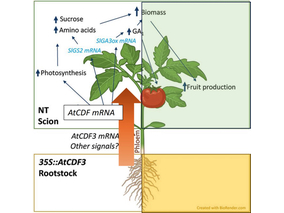
AtCDF3 gene induced greater production of sugars a...
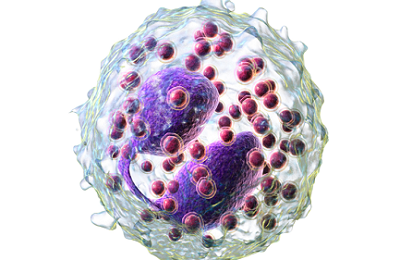
En nuestro post hablamos sobre este interesante tipo de célula del...

Telum Therapeutics, a biotechnology company leveraging proprietary met...