An international phase 3 clinical trial with Vall d’Hebron participation has demonstrated the efficacy of a new oral drug, orforglipron, for the treatment of obesity. The results were published this week in The New England Journal of Medicine and presented at the Annual Meeting of the European Association for the Study of Diabetes (EASD), held in Vienna. The study involved Dr. Andreea Ciudin, coordinator of the Comprehensive Obesity Treatment Unit at Vall d’Hebron University Hospital and principal investigator of the Diabetes and Metabolism research group at Vall d’Hebron Research Institute (VHIR), as the only European author of the publication.
The study followed 3,100 people with obesity but without diabetes from nine different countries over 72 weeks. All participants were adults with a body mass index (BMI) above 30 kg/m², or between 27 and 30 kg/m² with an obesity-related condition such as hypertension, cardiovascular disease or sleep apnoea. Participants were randomly assigned to different doses of orforglipron (6 mg, 12 mg or 36 mg) or placebo, all administered as a daily capsule, in combination with recommendations for a healthy diet and physical activity.
The results show that treatment with the highest dose of orforglipron led to an average reduction of 11.2% in body weight. More than half of the patients lost at least 10% of their body weight, and about 18% achieved a reduction of more than 20%. Significant improvements were also observed in blood pressure, waist circumference, triglyceride and cholesterol levels, all of which are cardiovascular risk factors. The most common adverse events were gastrointestinal, generally mild or moderate and self-limiting, similar to those of other anti-obesity drugs.
An oral drug to facilitate obesity treatment
Currently available obesity treatments have several limitations. For example, some are injectable or, in their oral form, require strict administration conditions (such as taking the medication on an empty stomach and waiting half an hour before eating). Like other anti-obesity drugs such as semaglutide, orforglipron acts on the GLP-1 receptor, which is present in different cells involved in the regulation of appetite and metabolism in the brain and digestive tract. However, its chemical structure is different (it is a non-peptidic molecule), allowing for more convenient oral administration.
Obesity is one of the major public health problems worldwide, affecting more than 2.5 billion people and leading to complications such as hypertension, diabetes and cardiovascular disease. The arrival of more accessible and effective treatments is therefore crucial. “Having an oral drug without the limitations of other treatments represents an important step forward for many people with obesity. This study confirms that we can offer safer and more convenient options that may help more patients start treatment and maintain it in the long term”, explains Dr. Ciudin.
In the coming months, orforglipron is expected to begin the regulatory approval process, which could open a new stage in the management of obesity.
Image: Dra. Andreea Ciudin

La mejor actitud que podemos adoptar es la de trat...

The research team observed changes in head circumf...
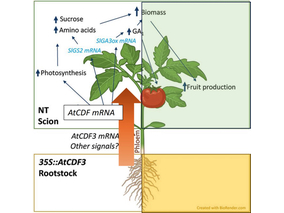
AtCDF3 gene induced greater production of sugars a...

En nuestro post hablamos sobre este interesante tipo de célula del...

Una revisión internacional, publicada en la revista Molecular Cancer,...