Research from the Granada Biosanitary Research Institute (ibs.GRANADA) has identified a possible association between exposure to bisphenols, chemical compounds present in certain foods, and a higher likelihood of developing overweight and obesity in girls.
The study analyzed a sample of 303 children between the ages of 3 and 12, assessing their diet and measuring dietary exposure levels to bisphenol A (BPA) and bisphenol S (BPS). The results indicated that girls who consumed higher amounts of BPA, especially through meat and eggs, were nearly three times more likely to be overweight or obese compared to those with lower BPA exposure. No clear associations were found in boys.
"The results suggest that exposure to bisphenols through diet could play a role in the development of childhood overweight, especially in girls, which reinforces the need to continue investigating the impact of these compounds on health," explains Alberto Zafra, professor at the University of Granada and co-investigator in charge of the group. E15-EXPODIET: Food exposure to environmental contaminants from ibs.GRANADA and lead author of the study.
A striking finding of the study is that, in girls, higher diet quality was paradoxically associated with higher levels of total exposure to bisphenols. In contrast, in children in the control group (who were not overweight), better diet quality was observed regardless of exposure level.
This study highlights the need for further research into the relationship between environmental pollutants and metabolic diseases, with the goal of improving public health and the well-being of children.
Furthermore, the research revealed that the estimated intake of bisphenol A and bisphenol S in the children's diet exceeded the limits considered safe by the European Food Safety Authority (EFSA). This suggests that exposure to these compounds is a widespread problem that requires urgent, stricter regulatory measures to limit their presence in food and reduce their impact on children's health.
Furthermore, the study emphasizes that bisphenols are just one of many chemicals present in the environment that can influence the development of metabolic diseases, such as overweight and obesity. Therefore, they emphasize the need to adopt a comprehensive approach that considers environmental, genetic, and behavioral factors in order to design more effective prevention strategies and improve children's public health.
This study has been funded by the Carlos III Health Institute (ISCIII) through the projects “PI20/01278” and “PI23/01359” and co-funded by the European Union; a co-funded project by the ERDF-Ministry of Health and Families, Regional Government of Andalusia “PE-0250–2019”; a co-funded project by the ERDF/Regional Government of Andalusia-Ministry of Economic Transformation, Industry, Knowledge and Universities/Project “P18-RT-4247”; and an R&D&i project of the ERDF 2020 Operational Programme “CTS-252-UGR20”.
About the group
The research group E15-EXPODIET: Food exposure to environmental contaminants The IBS.GRANADA research team focuses on the study of dietary exposure to compounds with hormonal activity and their impact on health. Its work includes assessing the risk of these compounds in metabolic and hormone-dependent diseases, analyzing their interaction with the intestinal microbiota, and identifying associated genetic factors. It also investigates the relationship between diet and health, contributing to the development of disease prevention strategies through a safe and balanced diet.
Further information: https://www.ibsgranada.es/grupos-de-investigacion/e15-nutricion-dieta-evaluacion-de-riesgos/
Bibliographic reference: Gálvez-Ontiveros, Y., Monteagudo, C., Giles-Mancilla, M., Muros, J.J., Almazán, V., Martínez-Burgos, M.A., Samaniego-Sánchez, C., Salcedo-Bellido, I., Rivas, A., & Zafra-Gómez, A. (2024). Dietary bisphenols exposure as an influencing factor of body mass index. In Environmental Health (Vol. 23, Issue 1). Springer Science and Business Media LLC. https://doi.org/10.1186/s12940-024-01134-7

La mejor actitud que podemos adoptar es la de trat...

The research team observed changes in head circumf...
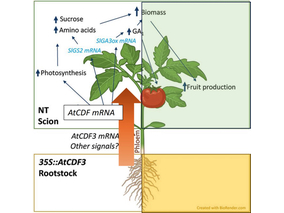
AtCDF3 gene induced greater production of sugars a...
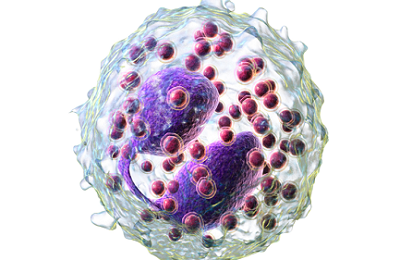
En nuestro post hablamos sobre este interesante tipo de célula del...

Telum Therapeutics, a biotechnology company leveraging proprietary met...