The high consumption of antidepressant drugs, coupled with their ineffective disposal in wastewater treatment plants, results in a significant presence of these medications in aquatic environments. Therefore, the detection and quantification of these contaminants in water is of enormous importance due to their harmful effects on aquatic life and human health.
Researcher María Cerrato , from the Faculty of Sciences at UEx , has developed a simple and low-cost electrochemical cell for the determination of the antidepressant venlafaxine, an emerging contaminant included in the European Union (EU) Watch List of 2022.
Furthermore, and as a complement to this cell, "for the first time, we are demonstrating an electrochemical probe design that combines pencil leads with fiberglass filter paper. This innovative design allows the sample to be measured directly, without the need for prior steps or additional reagents," the researcher adds.
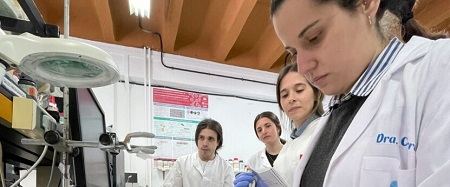
[img src="https://comunicacion.unex.es/wp-content/uploads/sites/70/2025/03/Grupo-de-investigacion-de-Espectrometria-y-Electroquimica-Bionanoanaliticas-de-la-Universidad-de-Oviedo-591x443.jpg" alt="" width="432" height="324">The cell, which combines pencil leads as working, reference, and auxiliary electrodes, along with a microcentrifuge tube, allows for the determination of contaminants in wastewater samples. As María Cerrato explains, "The cell has an adjustable electroactive area, which allows the electrode surface in contact with the sample to be adjusted according to analytical needs, thus improving the sensitivity and precision of electrochemical measurements."
The reason for using pencil leads for the analysis of emerging contaminants "lies in their low cost, commercial availability, simplicity, portability, and ease of miniaturization of the devices, which allows for the detection of these contaminants in situ," explains the researcher.
The filter paper probe, on the other hand, allows for working with a very low sample volume (a few microliters) thanks to its capillary action. Furthermore, its high porosity filters the sample, preventing potential interference. Another advantage is that, thanks to its absorption capacity, it allows for pre-charging with a suitable electrolyte (conductive solution), which is necessary for the measurement.
The research work is part of the International Collaboration Project “ Biodiversity restoration and conservation of inland water ecosystems for environmental and human well-being (BioReset) ”, funded by the Ministry of Science, Innovation and Universities for having successfully applied, together with the rest of the members of the consortium (Spain, Portugal, Sweden and Norway) to the BiodivRestore call of the European Union Horizon2020 program, and has been carried out in the Electroanalysis area of the Bionanoanalytical Spectrometry and Electrochemistry Research Group of the University of Oviedo, thanks to the “Margarita Salas” grant that the UEx researcher enjoyed.
Bibliographic reference: M. Cerrato-Álvarez, P. Rioboó-Legaspi, E. Costa-Rama, M. Teresa Fernández-Abedul (2025). Field-deployable pencil lead-based electrochemical cell for the determination of the emerging contaminant and antidepressant drug venlafaxine in wastewater. Biosensors and Bioelectronics , 267, 116851. https://doi.org/10.1016/j.bios.2024.116851
Source : UEx Scientific Culture Dissemination Service

La mejor actitud que podemos adoptar es la de trat...
The research team observed changes in head circumf...
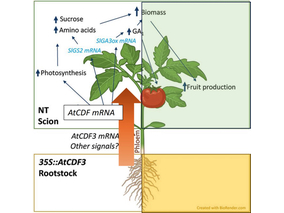
AtCDF3 gene induced greater production of sugars a...
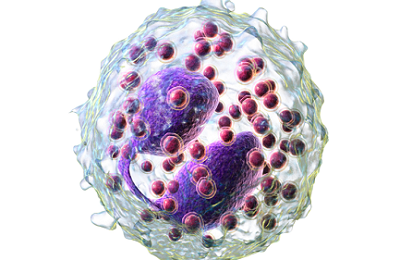
En nuestro post hablamos sobre este interesante tipo de célula del...

Telum Therapeutics, a biotechnology company leveraging proprietary met...