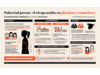
A pioneering study has developed a new model based on artificial intelligence (AI) that significantly improves cardiovascular risk prediction in patients with familial hypercholesterolaemia (FH), an inherited disease that is the leading cause of early and aggressive coronary heart disease. The work has been published in the scientific journal European Heart Journal – Digital Health.
The study is led by Dr Alberto Zamora as first author, head of the Digital Health Innovation research group at IDIBGI and the Corporació de Salut del Maresme i La Selva (CSMS), and also involved Miguel Camacho, a telecommunications engineer and predoctoral researcher from the same group. The research was conducted using data from the National Registry of the Spanish Society of Arteriosclerosis, on behalf of which the authors sign the article. The study analysed clinical, genetic and follow-up data from 1,764 people with FH—more than half of them women—using machine learning algorithms to estimate the risk of major cardiovascular events.
According to Dr Zamora, “the results show that artificial intelligence can provide much more accurate risk stratification than the models used so far.” The new algorithm achieves greater predictive performance than existing tools, which may help healthcare professionals identify high-risk individuals earlier and better tailor prevention and treatment strategies.
One of the most relevant aspects of the study is that, for the first time, a sex-specific perspective has been applied in this type of model. The research reveals that the factors influencing cardiovascular risk are not the same in women and men. For example, in women, variables related to age, GGT, waist circumference, the presence of subclinical vascular disease or Apo B levels carry more weight, whereas in men, factors such as age at initiation of statin treatment, HbA1c or LDL-C are more determinant. “Taking these differences into account is key to avoiding bias and moving towards truly personalised medicine,” Zamora highlights.
The study also embraces so-called “explainable AI”, an approach that seeks to show which factors influence the model’s predictions in order to understand how it arrives at its risk estimates. This enhances trust among professionals and patients, opening the door to a more transparent clinical application.
Overall, these results highlight the potential of ethical, responsible and transparent artificial intelligence to improve cardiovascular prevention and to provide more tools that support increasingly personalised care.
Reference article: Zamora A, Masana L, Civeira F, Ibarretxe D, Fanlo-Maresma M, Vila A, Suárez Tembra M, Marco-Benedí V, Alvarez-Sala-Walther LA, Camacho-Ruiz M. Prognostic stratification of familial hypercholesterolaemia patients using AI algorithms: a gender-specific approach. Eur Heart J Digit Health. 2025 Aug 26;6(6):1113-1123. doi: 10.1093/ehjdh/ztaf092. PMID: 41267838; PMCID: PMC12629648.

La mejor actitud que podemos adoptar es la de trat...

The research team observed changes in head circumf...

AtCDF3 gene induced greater production of sugars a...
En nuestro post hablamos sobre este interesante tipo de célula del...

Telum Therapeutics, a biotechnology company leveraging proprietary met...