The research group MP20-Biomarkers of Metabolic and Bone Diseases of the Biosanitary Research Institute of Granada (ibs.GRANADA) directed by the Dr. Jonatan R Ruiz, demonstrates that two hours of exposure to cold can modify the levels of certain signaling lipids. Specifically, an increase in oxylipins derived from omega-3 and omega-6 polyunsaturated fatty acids was observed, which could be related to cardiometabolic health in humans.
Polyunsaturated fatty acids are essential for the body, playing a key role in regulating metabolism, the immune system and the inflammatory response. In the body, these fatty acids are transformed into compounds called oxylipins, which are responsible for carrying out the functions of the original fatty acids. Simply put, omega-3 fatty acids are converted into oxylipins with anti-inflammatory functions and help resolve inflammation, while oxylipins derived from omega-6 exert pro-inflammatory functions.
This group of scientists, who belong to the groups MP20-Biomarkers of Metabolic and Bone Diseases, MP22-Biochemistry of Nutrition and Therapeutic Implications y TEC15-Nuclear and Molecular Medicine from ibs.GRANADA and the universities of Granada, Almería, Barcelona, Leiden and Vrije in Amsterdam, exposed a total of 64 young adults to 2 hours of personalized exposure to cold and performed blood draws before, at one hour and two hours after cold exposure for the determination of signaling lipid levels. In this sense, the study led by Dr. Lucas Jurado-Fasoli, has shown that 2 hours of exposure to cold increases the levels of omega-3 and omega-6 oxylipins, as well as the levels of endocannabinoids and lysophospholipids that contain these polyunsaturated fatty acids.
Previous studies have suggested that brown adipose tissue, a type of fat that helps regulate temperature and metabolism, could be the tissue involved in the secretion of signaling lipids in response to cold. To investigate this, after two hours of cold exposure, the amount and activity of brown adipose tissue was measured using a PET/CT scan at the Virgen de las Nieves University Hospital in Granada. However, the changes observed in signaling lipids were not related to either the quantity or the activity of this tissue.
Additionally, Dr. Jurado-Fasoli notes that levels of omega-3 and omega-6 oxylipins increased more in people with normal weight compared to those who were overweight or obese. These changes in oxylipin levels were associated with a healthier cardiometabolic profile, such as lower body fat and better levels of blood glucose, lipids, and transaminases.
These results suggest that people with a greater amount of body fat and cardiometabolic risk factors could have an altered response in the secretion of these lipids when exposed to cold. These findings are in line with previous work by the research group led by Dr. Jonatan R Ruiz in which they have shown that oxylipins derived from omega-3 and omega-6 can be potential markers of cardiometabolic risk in humans.
This study has been funded by the Junta de Andalucía, Ministry of Economic Transformation, Industry, Knowledge and Universities General Directorate of Research and Knowledge Transfer (ref. P18-RT4455, ref. SOMM17/6107/UGR, and DOC 01151), by the European Regional Development Funds (ERDF), the Spanish Ministry of Economy and Competitiveness through the Health Research Fund of the Carlos III Health Institute (PI13/01393), and PTA-12264, Challenges of Society (DEP2016-79512- R), the Ibero-American Nutrition Foundation (FINUT), the Thematic Networks of Cooperative Research RETIC (SAMID Network RD16/0022), the AstraZeneca HealthCare Foundation, the University of Granada Own Research Plan 2016 actions of excellence: Unit of Excellence on Exercise and Health (UCEES).
About the research groups
The Biosanitary Research Institute of Granada (ibs.GRANADA) houses various research groups of excellence in biomedicine. The MP20 group investigates biomarkers and new therapeutic targets in metabolic and bone diseases, developing diagnostic kits, clinical drug trials and non-invasive techniques to evaluate bone fragility, collaborating with networks such as CIBERFES and CIBEROBN. The MP22 group specializes in nucleotides in human milk, influencing the regulations for infant supplements and collaborating with Abbott Laboratories on infant diets, also researching functional foods, obesity and intestinal microbiota. The TEC15 group focuses on tracers for cancer diagnosis and is a leader in Nuclear Medicine, applying PET tomography in oncology and the use of isotopes in endocrinology and neurology, and developing new radiopharmaceuticals.

La mejor actitud que podemos adoptar es la de trat...

The research team observed changes in head circumf...
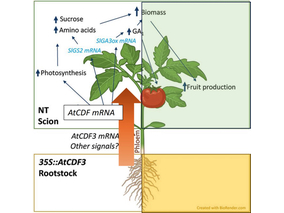
AtCDF3 gene induced greater production of sugars a...
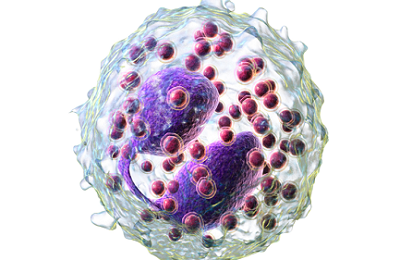
En nuestro post hablamos sobre este interesante tipo de célula del...

Telum Therapeutics, a biotechnology company leveraging proprietary met...