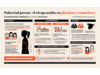
Scientists from the Biosanitary Research Institute of Granada (ibs.GRANADA) have led a study, published in JAMA Network Open, which provides new evidence on the safety of intermittent fasting (time-restricted eating). This nutritional strategy is increasingly common in weight management programs. The study concludes that limiting daily intake to a specific time frame (either earlier or later) does not negatively affect sleep, mood, or quality of life, reinforcing the viability of this approach within public health and clinical interventions.
The study is part of a 12-week randomized clinical trial in which 197 adults with overweight or obesity Participants were assigned to one of two intervention groups: usual care for weight management or usual care combined with a restricted eating window. Within the latter group, participants followed one of three patterns: an early eating window (e.g., 7:00 a.m. to 15:00 p.m.), a late eating window (e.g., 12:00 p.m. to 20:00 p.m.), or a self-selected window. Various health indicators (including sleep quality, energy, mood, and overall well-being) were assessed throughout the study to determine whether meal timing might have an impact beyond weight management.
The results show that, regardless of the timing followed, no significant differences were observed in any of the parameters evaluated. According to the researchers, this absence of adverse effects provides an essential “safety signal” at a time when intermittent fasting is becoming increasingly popular as an easily adopted and potentially beneficial dietary strategy.
“Our results indicate that intermittent fasting can be safely incorporated into weight management programs. We know that sleep and emotional well-being are key determinants for maintaining a long-term intervention; therefore, it is especially important to verify that this approach does not compromise them. It is another step towards simpler, safer nutritional strategies that are adaptable to daily life,” he emphasizes. Dr. Jonatan Ruiz, co-investigator responsible for the group MP20-Biomarkers of Metabolic and Bone Diseases from ibs.GRANADA, professor at the University of Granada and lead author of the study.
Antonio Clavero-JimenoA predoctoral researcher at the University of Granada and first author of the study points out that these types of interventions, based on daily eating patterns, open opportunities to move towards more flexible and personalized nutrition, capable of being integrated into people's daily routines. The study encourages further research into how to adapt time-restricted eating patterns to different individual profiles and needs.
Bibliographic reference:
Clavero-Jimeno, A., Dote-Montero, M., Migueles, JH, Camacho-Cardenosa, A., Medrano, M., Alfaro-Magallanes, VM, Osés, M., Carneiro-Barrera, A., de Cabo, R., Muñoz-Torres, M., Labayen, I., & Ruiz, JR (2025). Time-Restricted Eating and Sleep, Mood, and Quality of Life in Adults With Overweight or Obesity. JAMA Network Open, 8(6), e2517268. https://doi.org/10.1001/jamanetworkopen.2025.17268
About the group
The research group MP20 – Biomarkers of Metabolic and Bone Diseases The ibs.GRANADA group focuses its work on identifying and studying key molecules that allow for a better understanding of pathologies such as diabetes, obesity, and osteoporosis. Its activity combines clinical and experimental research to discover new markers that facilitate early diagnosis, monitoring, and the development of more precise therapies. With a clearly translational approach, the group contributes to improving the prevention and treatment of metabolic and bone diseases that affect a large part of the population.
Further information: https://www.ibsgranada.es/grupos-de-investigacion/mp20-biomarcadores-de-enfermedades-metabolicas-y-oseas/

La mejor actitud que podemos adoptar es la de trat...

The research team observed changes in head circumf...
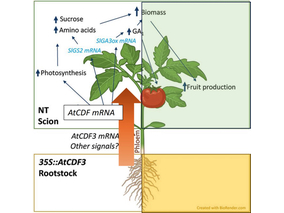
AtCDF3 gene induced greater production of sugars a...

En nuestro post hablamos sobre este interesante tipo de célula del...

Telum Therapeutics, a biotechnology company leveraging proprietary met...