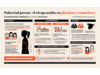
People with severe mental illness, including schizophrenia and bipolar disorder, experience early, rapid, and sustained weight gain that is three times higher than that observed in the general population, according to an international study. led by researchers from the Granada Institute for Biomedical Research (ibs.GRANADA) y Oxford University. The results reinforce the urgency of early and coordinated intervention to prevent serious complications such as type 2 diabetes or cardiovascular diseases.
The research, led by the scientist Carmen Piernas A study conducted by the University of Granada (ibs.GRANADA–UGR) analyzed the weight changes of over 113.000 people treated in the British public healthcare system over a 15-year period. This is the largest study of its kind to date. The comparison between people with and without severe mental illness revealed a clear pattern: those diagnosed with this condition tended to gain weight more rapidly and significantly, especially in the first five years. This trend persisted over time, demonstrating a lasting impact on their physical health. Although the use of antipsychotics explained some of this increase, particularly with prolonged treatment, the researchers observed that even those not taking these medications gained more weight than the general population. This suggests the influence of other factors such as social determinants, the functional impact of the illness itself, and difficulties in maintaining healthy lifestyles.
One of the most concerning findings of the study is the disconnect between identified risk and available intervention. Despite receiving slightly more weight-loss advice in primary care, people with severe mental illness do not access specialized weight management programs more frequently, even though these services have proven to be effective and cost-efficient. The authors believe this mismatch represents a missed opportunity to reduce health complications that, in many cases, are preventable.
“The period immediately following diagnosis is a critical time. If we want to reduce the physical health gap affecting people with severe mental illness, we must ensure they have access to targeted, evidence-based interventions. Weight gain is not inevitable; the problem is that the right tools are not arriving at the right time,” the doctor emphasizes. Carmen Piernas, group researcher MP22-Biochemistry of Nutrition. Therapeutic Implications from ibs.GRANADA and professor in the Department of Biochemistry and Molecular Biology II at the University of Granada and leader of the study.
This work provides key information for improving prevention and healthcare strategies, especially in a population group whose life expectancy is, on average, 15 years younger than that of the general population, primarily due to cardiovascular complications. The researchers emphasize that a better understanding of weight trends and barriers to accessing specialized health services is crucial for designing interventions to reduce this health gap.
The study, titled “Weight trajectories and access to weight management services in individuals with severe mental illness in the UK”It is based on records from the UK Primary Care system and is available as open access. Its leadership by ibs.GRANADA reinforces the institute's growing role as an international leader in applied research aimed at improving population health.
Bibliographic reference: Lee, CL, Gao, M., Smith, MC, Dong, X., Waite, F., Aveyard, P.N., & Piernas, C. (2025). Weight trajectories and access to weight management services in individuals with severe mental illness in the UK: a population-based, matched cohort study. The lancet psychiatry, 12https://doi.org/10.1016/s2215-0366(25)00212-3
About the group
El grupo MP22-Biochemistry of Nutrition. Therapeutic Implications (BioNIT)The BioNIT group, part of the Precision Medicine area at ibs.GRANADA, is a well-established team with nearly thirty years of research experience. Located within the Department of Biochemistry and Molecular Biology II, Faculty of Pharmacy, University of Granada (UGR), and affiliated with the Institute of Nutrition and Food Technology (INYTA), the group is co-led by several researchers working across various research lines. Within line 1, Obesity and Cardiometabolic Diseases, their research focuses on the analysis and detection of disease biomarkers, the use of omics techniques (metabolomics, GWAS, EWAS, RNA-seq), adipose tissue studies, and the in vitro study of functional genes. Within line 2, Probiotics and Microbiota, their research focuses on human microbiota analysis, the effects of endocrine disruptors on the microbiota, immunomodulatory compounds, and the implications of microRNAs in obesity. In line 3.Clinical and experimental evaluation of foods, both human intervention studies with foods (olive oil, reduction of red and processed meat) and multi-omics approaches for the study of the effects of different foods on health stand out.

La mejor actitud que podemos adoptar es la de trat...

The research team observed changes in head circumf...

AtCDF3 gene induced greater production of sugars a...
En nuestro post hablamos sobre este interesante tipo de célula del...

Telum Therapeutics, a biotechnology company leveraging proprietary met...