Antidepressants are a common tool in the treatment of depression, but their use in patients with bipolar disorder has been the subject of debate for decades. The main concern? That these drugs, instead of alleviating depressive symptoms, trigger a manic episode, with potentially serious consequences for patients’ mental health and quality of life.
Now, a study led by the Clínic-IDIBAPS sheds light on this issue. Published in the journal eClinicalMedicine, part of The Lancet Discovery Science group, the study offers the first systematic review with network meta-analysis on the risk of switching to mania after treatment with antidepressants in the acute phase of bipolar depression.
“We wanted to answer a very relevant clinical question: to what extent is it safe to use antidepressants in patients with bipolar depression?” explains Eduard Vieta, head of the Psychiatry and Psychology Service at the Hospital Clínic, head of the IDIBAPS Bipolar and Depressive Disorders research group, and one of the lead authors of the study. “The answer, based on accumulated evidence, is that most of these drugs do not significantly increase the risk of switching to mania, especially when used appropriately and often in combination with mood stabilizers.”
An exhaustive review of the evidence
The study analysed all randomized clinical trials published to date that have assessed the risk of switching to mania after treatment with antidepressants in patients with bipolar depression. Using a network meta-analysis methodology—a statistical technique that allows multiple treatments to be compared with each other, even when they have not been directly compared in studies—the researchers were able to synthesize the available evidence robustly.
The results show that, in general, antidepressants are not associated with a significant increase in the risk of switching to mania. However, some specific exceptions have been identified, and the risk may vary depending on the type of antidepressant and whether it is administered alone or in combination with other drugs.
“It is important to emphasize that not all antidepressants are the same, and that the clinical context in which they are used is key,” adds Vincenzo Oliva, researcher in the same research group and co-author of the study. “Therefore, this work not only provides data, but also opens the door to more personalized medicine, where therapeutic decisions are made taking into account the specific characteristics of each patient.”
Implications for patients and professionals
Bipolar disorder is a serious and complex condition, and its depressive phase is especially difficult to treat. In fact, there are very few drugs approved by regulatory agencies for this indication. In this context, the study opens the door to expanding the therapeutic options available.
For patients, this may translate into more alternatives and better tailoring of treatment to their needs. For healthcare professionals, the research provides a solid basis for making more informed and safer decisions.
In addition, the study may have a direct impact on the development of future clinical guidelines and on the direction of research in areas that are still largely unexplored. “It is a starting point for further research,” the authors point out. “The efficacy and safety of other antidepressants that have not yet been evaluated should be examined, and studies should be carried out focusing on specific subgroups of patients.”
International leadership from Barcelona
Although this study involved extensive international collaboration, it was led by the Bipolar and Depressive Disorders Unit at the Hospital Clínic-IDIBAPS, which coordinated the protocol, the statistical analysis, and the manuscript writing.
This leadership consolidates the team’s role as an international benchmark in mood disorder research, and reinforces IDIBAPS’ commitment to high-quality clinical research with a real impact on medical practice and patients’ lives.
Image: From left to right: Joaquim Raduà, Michele De Prisco, Vincenzo Oliva and Eduard Vieta.

La mejor actitud que podemos adoptar es la de trat...

The research team observed changes in head circumf...
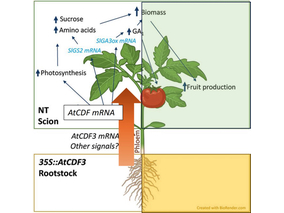
AtCDF3 gene induced greater production of sugars a...
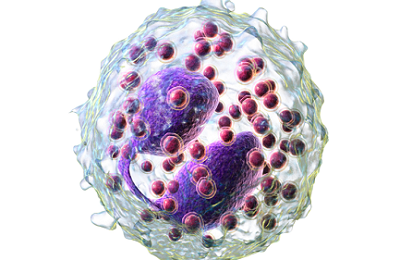
En nuestro post hablamos sobre este interesante tipo de célula del...

Telum Therapeutics, a biotechnology company leveraging proprietary met...