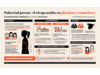
Lynch syndrome is one of the most prevalent hereditary cancer syndromes in humans, predisposing to the development of various types of cancer, primarily colorectal and endometrial cancer, but also skin, bladder, prostate, and breast cancers, among others. It is estimated that 3% of the population may have Lynch syndrome, which is caused by inherited pathogenic variants affecting DNA mismatch repair genes. Identifying patients with Lynch syndrome is important because these patients have up to an 80% lifetime risk of developing colorectal cancer, a 60% lifetime risk of developing endometrial cancer, and, depending on the variant, an increased risk of developing other primary cancers, including gastric, ovarian, small bowel, and urothelial cancers.
The study was conducted with 40 families diagnosed with Lynch Syndrome in the province of Badajoz , with a total of 288 participants . Until now, few studies have focused on the human aspects surrounding this disease, such as quality of life, sleep habits, and the impact on family members involved in the care process. Participants were given a series of validated questionnaires about their quality of life, sleep habits, and their perception of the care they received.
[img src="https://comunicacion.unex.es/wp-content/uploads/sites/70/2025/03/La-investigadora-Marta-Araujo-443x591.jpg" alt="" width="443" height="591">"Our goal is to assess the daily challenges faced by patients diagnosed with Lynch Syndrome, as well as their families, in order to understand and improve their well-being. To this end, the research was conducted in three groups: patients with the disease and diagnosed with cancer, family members with the disease who have not developed cancer, and family members who are not carriers of the disease," explains researcher Marta Araujo .
The study's results confirm increased anxiety and stress in both carriers who have developed cancer and those recently diagnosed with Lynch Syndrome. However, researchers have also observed "guilt syndrome" in family members who are not carriers of the genetic condition, characterized by high levels of anxiety due to worry and guilt for not having developed the disease, in contrast to their affected relative.
Statistical methodology combined with artificial intelligence software revealed other important variables that require further investigation: age, smoking, alcohol, body mass index (BMI), and physical function. The study found that patients with a high body mass index and low physical function were more likely to develop Lynch syndrome.
The study also documented that Lynch Syndrome significantly impacts patients' quality of life, especially in women, where fatigue and anxiety are common.
Researchers recommend comprehensive care, addressing both physical and emotional aspects, because it improves overall well-being. Family support and relationships with healthcare professionals are also crucial in coping. Modifiable risk factors, such as high body mass index and physical inactivity, increase the risk of cancer. Finally, non-carrier family members may experience anticipatory symptoms related to the fear of developing the disease.
Furthermore, researchers recommend consulting a geneticist if a family member is diagnosed with Lynch Syndrome. “We advise family members to see their primary care physician, who will refer them to a geneticist. We have observed in studies that many family members do not seek this consultation due to fear of knowing whether they are carriers of the disease or whether they can transmit it to their children. As a result, many of these cases are lost along the way,” says Marta Araujo.
And yet, regular monitoring and follow-up by a geneticist increases the likelihood of early cancer diagnosis, which improves treatment success. Furthermore, "if there are habits that predispose to the development of cancer, such as smoking, these can be modified. We have observed in studies the positive impact of leading a healthy lifestyle, with physical exercise and a balanced diet." Although people with Lynch Syndrome have a higher risk of developing cancer, not all carriers of the syndrome will develop it; what increases it is the probability.
Marta Araujo's doctoral thesis, "Analysis of quality of life, sleep habits, and healthcare in patients diagnosed with Lynch Syndrome in Extremadura," at the University of Extremadura, was supervised by Raquel Macías Montero , Jorge Guerrero Martín , and Mariano García Arranz . It is available at https://dehesa.unex.es/handle/10662/23798
Source: UEx Scientific Culture Dissemination Service

La mejor actitud que podemos adoptar es la de trat...

The research team observed changes in head circumf...
AtCDF3 gene induced greater production of sugars a...
En nuestro post hablamos sobre este interesante tipo de célula del...

Acute myeloid leukemia (AML) does more than infiltrate the lungs: it a...