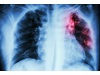
A nationwide multicentre study led by the Marqués de Valdecilla University Hospital demonstrates that lung transplantation is a safe and effective option in patients with advanced pneumoconiosis — mainly silicosis — an irreversible lung disease caused by prolonged inhalation of silica dust.
The work has been published in the international scientific journal Respirology and is authored as first author by Víctor M. Mora Cuesta, medical coordinator of the Lung Transplant Programme in the Pulmonology Department at Marqués de Valdecilla University Hospital.
Silicosis, traditionally associated with mining and construction, has seen a resurgence in recent years due to exposure to silica dust in the engineered stone industry, even affecting younger workers. In advanced stages, when lung damage leads to severe respiratory failure, lung transplantation is the only therapeutic option capable of prolonging survival.
The study analysed outcomes from 81 patients who underwent transplantation for pneumoconiosis between 2010 and 2023 across seven Spanish hospitals with lung transplant programmes, comparing them with 152 patients transplanted for other lung diseases. The groups were matched by age, sex, type of transplant, and date of intervention, strengthening the methodological robustness of the analysis.
This work responds to the need to generate evidence in a relatively rare indication within lung transplantation, traditionally considered high-risk. Patients with silicosis present significant anatomical alterations — such as extensive fibrosis, pleural adhesions, or calcified mediastinal lymph nodes — which increase surgical complexity and have led some centres to exclude them as transplant candidates. Rigorous evaluation of outcomes was therefore essential to support clinical decision-making based on data rather than perceived risk alone.
Comparable outcomes despite higher surgical complexity
The researchers observed that patients with silicosis present greater technical complexity during surgery due to disease-related anatomical changes. However, this increased difficulty does not translate into higher postoperative complication rates.
No significant differences were found in ICU length of stay, need for prolonged mechanical ventilation, surgical reinterventions, or long-term survival. Median survival was 9.1 years in patients with silicosis compared to 7.9 years in the control group, with no statistically significant differences.
One of the most relevant findings is the lower incidence of chronic lung allograft dysfunction (CLAD) in patients with pneumoconiosis. This complication is the leading cause of late graft failure, and this result opens new research avenues into potential differential immunological mechanisms in this patient profile.
A collaborative national reference study
The study was conducted across seven Spanish reference centres for lung transplantation and represents the largest analysis carried out in Spain on this indication. The results show that, in carefully selected patients, pneumoconiosis should not be considered an exclusion criterion for transplantation, despite the associated surgical complexity.
This project also reflects the strength of the national lung transplant programme, which in recent years has maintained sustained activity and excellent outcomes. Notably, in 2024 Spain reached record levels of lung transplantation, becoming the world leader in transplants per million population — a milestone that reflects the maturity of the system, the capacity of transplant teams, and the robustness of the Spanish donation and transplantation model.
The publication in Respirology, one of the leading international journals in respiratory medicine, confirms the scientific quality of the work and places Spanish experience in lung transplantation on the global stage.

La mejor actitud que podemos adoptar es la de trat...

The research team observed changes in head circumf...
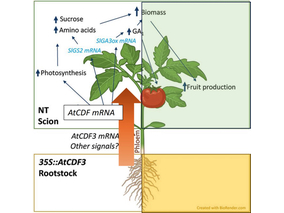
AtCDF3 gene induced greater production of sugars a...
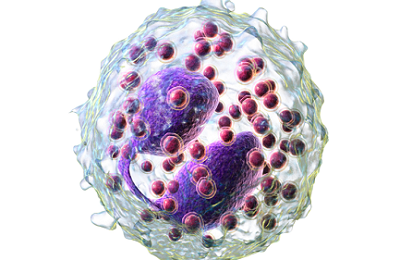
En nuestro post hablamos sobre este interesante tipo de célula del...

Telum Therapeutics, a biotechnology company leveraging proprietary met...