The prevalence of cancer continues to rise, affecting more than 3.5 million people in Europe, with metastasis being responsible for the vast majority of deaths associated with the disease. Led by IRB Barcelona, ADAPTMET is a new European initiative aimed at advancing our understanding of metastasis by training sixteen researchers specialised in this field. As a continuation of the successful Evomet project, ADAPTMET seeks to push the boundaries of research.
With a total budget of €4.4 M and under the guidance of Dr. Roger Gomis, an expert in cancer metastasis at IRB Barcelona, this initiative brings together 14 top European research institutions to train the next generation of leaders in metastasis research.
A challenge in cancer research
Cancer metastasis—the spread of cancer cells from the primary tumour to other organs and tissues—is responsible for more than 90% of deaths related to this disease, making it one of the most pressing challenges in oncology. Despite advancements in cancer treatments, metastasis remains poorly understood and difficult to treat. ADAPTMET aims to address this unmet medical need by focusing on the mechanisms that enable cancer cells to adapt and spread, with the ultimate goal of transforming therapeutic approaches and improving patient care.
Dr. Gomis stressed the importance of the project: “By exploring the fundamental mechanisms that determine how cancer cells adapt to new environments, our goal is to identify new pharmacological targets and treatment strategies that can effectively combat metastasis. This project builds on the success of Evomet and takes a step further by incorporating the latest scientific advancements and cutting-edge methodologies.”
The ADAPTMET project addresses metastasis from four key scientific angles, each fundamental to understanding this complex disease:
Training and empowering future leaders
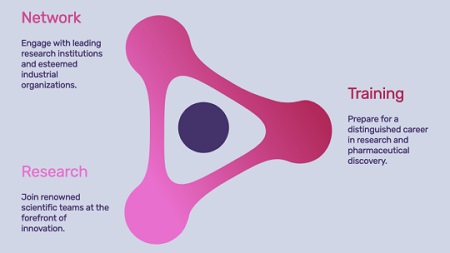
One of the cornerstones of ADAPTMET is its commitment to training the next generation of cancer researchers. The project offers a unique doctoral programme designed to equip 16 young scientists with the technical expertise and transferable skills necessary for a successful career in academia or industry. Through a combination of training events, the researchers will have access to direct mentoring, hands-on experience with cutting-edge technology, and a comprehensive programme that includes communication, project management, and professional development.
Dr. Benedetta Conte, a former PhD student in the Evomet project, highlights the impact that these programmes can have on a researcher´s career: “When I completed my PhD, I was appointed as a permanent researcher at the University of Eastern Piedmont (Italy), which includes an accelerated promotion to associate professor within two years. This achievement came about thanks to the recognition and professional connections I made through my experience with Evomet. The extensive training in communication and job interviews left me feeling confident and well-prepared to apply for these positions. I highly recommend this doctoral programme to any early-career researcher looking to pursue a career in cancer research.”
The case of Dr. Conte is a testament to the transformative potential of these training initiatives, and ADAPTMET aims to build on this foundation by providing even more advanced tools and methodologies to empower its participants.
The total budget for the project amounts to €4.4 M, of which €3.5 M is provided by the European Commission, €307,786 by UK Research and Innovation (UKRI) and €607,132 by the State Secretariat for Education, Research and Innovation (SERI).
The 16 young researchers will be supervised by:
This project has received funding from the European Union’s Horizon Europe programme under grant agreement 101169223.
About IRB Barcelona
The Institute for Research in Biomedicine (IRB Barcelona) pursues a society free of disease. To this end, it conducts multidisciplinary research of excellence to cure cancer and other diseases linked to ageing. It establishes technology transfer agreements with the pharmaceutical industry and major hospitals to bring research results closer to society, and organises a range of science outreach activities to engage the public in an open dialogue. IRB Barcelona is an international centre that hosts 400 researchers and more than 30 nationalities. Recognised as a Severo Ochoa Centre of Excellence since 2011, IRB Barcelona is a CERCA centre and member of the Barcelona Institute of Science and Technology (BIST).

La mejor actitud que podemos adoptar es la de trat...

The research team observed changes in head circumf...
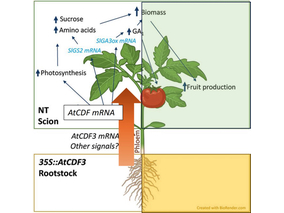
AtCDF3 gene induced greater production of sugars a...
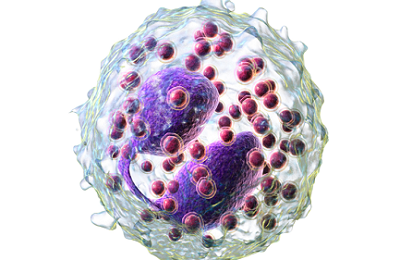
En nuestro post hablamos sobre este interesante tipo de célula del...
Telum Therapeutics, a biotechnology company leveraging proprietary met...