A scientific team from the Institute for Advanced Chemistry of Catalonia (IQAC), part of the Spanish National Research Council (CSIC), in collaboration with the Vall d’Hebron Research Institute (VHIR), has developed a new experimental strategy based on the use of light to activate a photoactivatable form of chloroquine. This approach makes it possible to eliminate tumor cells, including the most resistant ones known as cancer stem cells, in breast cancer models. The results have been published in the journal ACS Chemical Biology.
“These stem cells, also called cancer stem cells, constitute a particularly problematic subpopulation because they are able to survive conventional treatments and promote tumor relapse. The goal of this work was precisely to find a way to eliminate them selectively,” explains
To achieve this, the team used a photopharmacology approach, a discipline that allows drugs to be activated by light at a desired place and time. In this study, the researchers chemically modified a known compound, chloroquine (a drug used to treat malaria and autoimmune diseases, and which inhibits autophagy, a cellular process tumors use for their development and survival), so that it remains inactive until activated through illumination.
“We design molecules that have no effect in the absence of light, but that, once stimulated by light, release the active drug and exert their action on tumor cells,” says Sofía Alonso-Manresa, researcher at IQAC-CSIC.
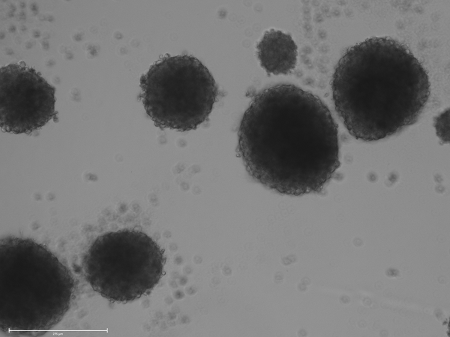
In vitro experiments carried out in colorectal and head and neck cancer cell models demonstrated that, after only a few seconds of illumination, the activated molecule prevents the formation of three-dimensional structures known as tumor spheres, which represent a model enriched in cancer stem cells.
In the absence of light, these structures form normally. In addition, the study shows that the mechanism of action is related to the inhibition of autophagy, a key cellular process for the survival of these resistant cells.
Validation in an animal model
As a proof of concept, the team conducted validation assays in a murine breast cancer model. In these experiments, the molecule was administered directly into the tumor and activated through external illumination using LED-based devices that allow the light to be focused and directed.
The results confirmed that activation of the compound occurs when light is applied inside the tumor, but not in the dark, reinforcing the potential of this strategy to act locally and reduce side effects in healthy tissues.
“Tumor stem cells represent one of the main challenges in oncology because they are able to resist conventional treatments and promote tumor recurrence. This work demonstrates that photopharmacology can become a very promising tool to specifically target this cell population in a localized and controlled manner,” highlights Matilde Lleonart, head of the Head and Neck Cancer: Biomedical Research in Cancer Stem Cells group at VHIR.
Towards more precise therapies
Although the work is still in its early stages, the results open the door to the development of new, more selective cancer therapies. Currently, Josa-Culleré’s team is working on optimizing the molecules so they can be activated with more penetrating wavelengths, such as green or red light, which would facilitate their application in larger and deeper tumors.
“This approach makes it possible to precisely control when and where the drug acts, which could represent a significant advantage over conventional treatments,” says Amadeu Llebaria, head of the Medicinal Chemistry and Synthesis group at IQAC-CSIC, where the research was carried out.
The research was funded by national and European projects focused on the development of new therapeutic strategies against cancer.
Sofía Alonso-Manresa, Carme Serra, Lourdes Muñoz, Marina Bataller, Yoelsis Garcia-Mayea, Matilde Esther Lleonart Pajarin, Belen Garcia Prats, Sandra Mancilla Zamora, Zamira Vanessa Diaz Riascos, Amadeu Llebaria and Laia Josa-Culleré. Photocaged Chloroquine Derivatives for the Light-Dependent Inhibition of Autophagy in Cancer Stem Cells. ACS Chemical Biology (2026). https://pubs.acs.org/doi/10.1021/acschembio.5c00962
Ana Sotres / IQAC-CSIC Communication
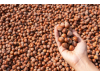
Image: 3D spheres enriched with tumor stem cells

La mejor actitud que podemos adoptar es la de trat...

The research team observed changes in head circumf...

AtCDF3 gene induced greater production of sugars a...

En nuestro post hablamos sobre este interesante tipo de célula del...

New study finds an association between higher temperatures early in li...